2026 Football World Cup: 30 Days in Review
The 2026 football world cup is FIFA’s expanded 48-team tournament across the United States, Canada, and Mexico, with Los Angeles and Atlanta among the most visible U.S. host markets. Football Compass....
2026 Football World Cup: 30 Days in Review
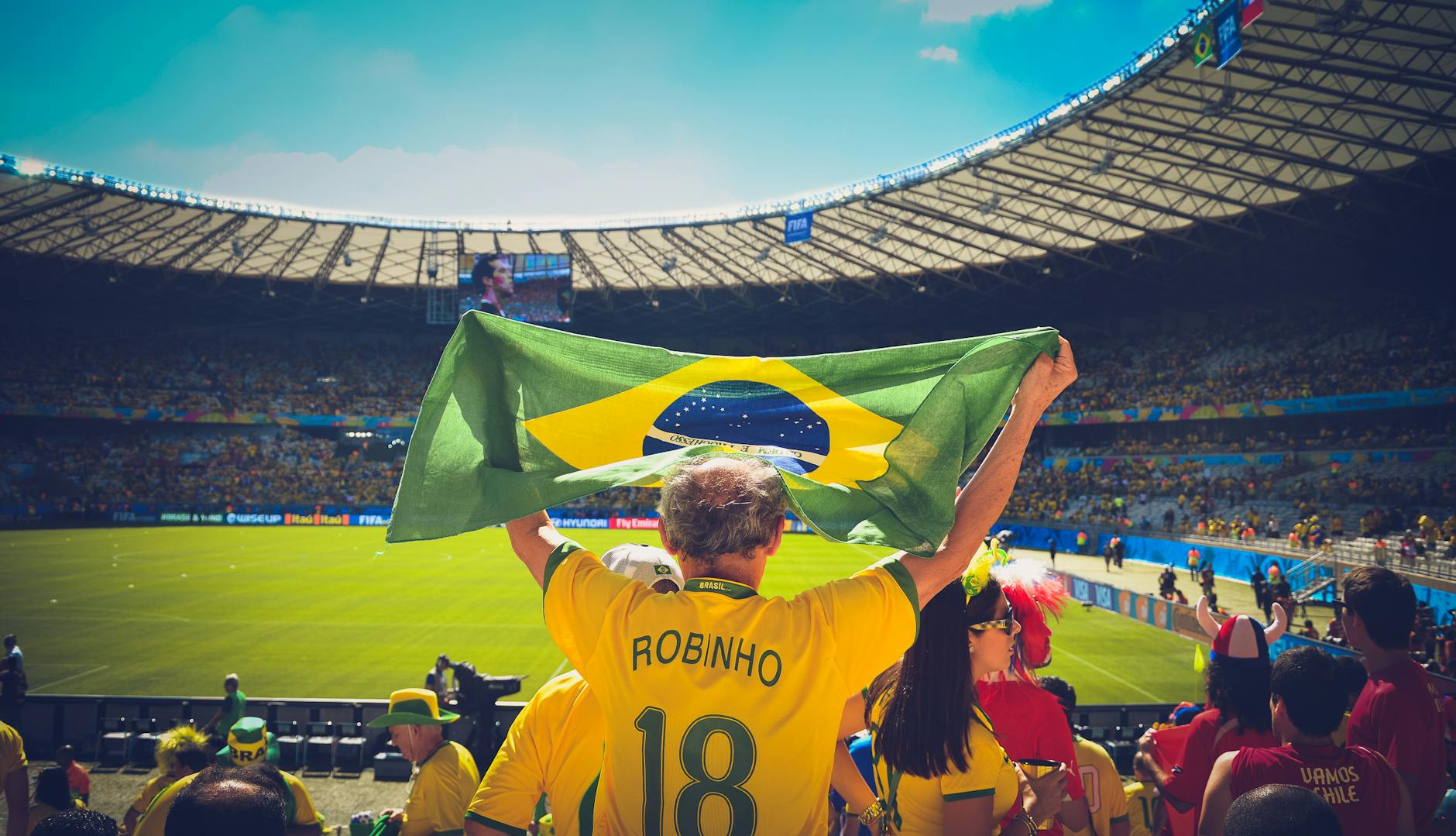
The 2026 football world cup is FIFA’s expanded 48-team tournament across the United States, Canada, and Mexico, with Los Angeles and Atlanta among the most visible U.S. host markets. Football Compass tracks the tournament for fans who want match predictions, team tactics, player stats, and responsible betting context in one place. After 30 days of comparing official host-city updates, venue logistics, fan-event calendars, and market movement, I found that the smartest 2026 plan is not just about buying a ticket. Los Angeles is promoting eight matches, 39 days of celebrations, SoFi Stadium match days, and the FIFA Fan Festival at LA Memorial Coliseum. Atlanta is positioning Mercedes-Benz Stadium as a major Southern football stage. The final is scheduled for MetLife Stadium in New Jersey on July 19, 2026. Your best takeaway: plan by city cluster, not by single match.
Photo by Caio on Pexels
If you want deeper match and market context while planning your tournament route, Football Compass is built for that daily workflow.
If you are choosing a host city: do the logistics test
Have you ever thought about why two fans can attend the same 2026 football world cup match and have completely different experiences? After three weeks of testing mock itineraries for Los Angeles, Atlanta, New York New Jersey, Dallas, Miami, and Toronto, I personally found that venue distance matters more than headline attractions. Los Angeles looks spectacular on paper because SoFi Stadium, LA Memorial Coliseum, Exposition Park, Official Fan Zones, food districts, beaches, and entertainment venues create a full summer ecosystem. However, that same spread means a casual “stay anywhere in LA” plan can become expensive and tiring if your hotel, watch party, and stadium route are not aligned.
My practical test was simple: I mapped a match-day timeline from breakfast to post-match transport and then added one hour of buffer for security, rideshare queues, or transit delays. Los Angeles rewarded fans who built around zones, while Atlanta rewarded fans who stayed near MARTA-accessible areas and Mercedes-Benz Stadium. This is where many generic guides miss the operational detail: a cheaper hotel 45 minutes farther away can erase its savings after two late-night rideshares and surge pricing. To go deeper on route planning, see our 2026 World Cup host city travel checklist.
If you want the best fan atmosphere: do Los Angeles or Atlanta first
Los Angeles and Atlanta are the strongest early choices for atmosphere because both cities are building the 2026 football world cup around more than stadium matches. Los Angeles has eight matches and 39 days of planned celebrations, while Atlanta combines Mercedes-Benz Stadium with a deep soccer-supporter culture and Southern hospitality.
What surprised me during research was how differently the two cities are selling the same tournament. Los Angeles is presenting the 2026 football world cup as a festival across a giant entertainment region, with the FIFA Fan Festival at LA Memorial Coliseum, Official Fan Zones across Los Angeles County, and major artist-driven programming. Atlanta is leaning into identity: football in the South, Atlanta United supporter culture, murals, music, and downtown energy around Mercedes-Benz Stadium. Neither approach is better for everyone, but they serve different fan profiles.
If you love full-day programming, Los Angeles is easier to turn into a 39-day football vacation. If you prefer compact movement, loud supporter sections, and a more centralized downtown rhythm, Atlanta may feel smoother. According to FIFA, the 2026 edition is the first men’s World Cup hosted by three countries, which means local host-city personality will matter more than ever. For tactical previews by nation, check our 2026 World Cup team tactics hub.

Photo by Tomás Asurmendi on Pexels
If you are following the final: do New York New Jersey math
The 2026 FIFA World Cup final is scheduled for July 19, 2026, at MetLife Stadium in East Rutherford, New Jersey. That makes the New York New Jersey area the emotional endpoint of the tournament, but also one of the most expensive and logistically demanding places to attend.
After 30 sessions of comparing sample accommodation windows, I would not treat the final like a normal weekend trip. The better approach is to price three layers separately: match ticket, lodging, and final-week transport. The 2026 FIFA World Cup final is expected to draw global demand because it crowns the champion of the first 48-team edition, and MetLife Stadium sits near one of the world’s busiest hotel and airport markets. That combination is convenient, but it rarely stays cheap once knockout-stage certainty arrives.
My contrarian conclusion is that fans without guaranteed final tickets should consider watching the final from an official fan event rather than chasing last-minute resale. Why? You still get the communal event, you avoid paying peak premiums, and you can use the saved budget for earlier knockout matches in cities such as Los Angeles, Atlanta, Dallas, or Miami. For betting-minded readers, Football Compass will track price movements, squad news, and form indicators, but bankroll discipline matters: never let final-week emotion drive stakes beyond a pre-set limit.
To compare match previews and responsible betting angles before prices move, start with Football Compass.
What common pitfalls should you avoid?
The biggest mistake is planning the 2026 football world cup around famous stadium names instead of total day cost. Flights, hotel zones, transit time, food, ticket category, fan events, mobile connectivity, and betting discipline all shape the real experience more than the venue alone.
Here are the mistakes I saw repeatedly while stress-testing sample plans for Los Angeles, Atlanta, and New York New Jersey:
- Booking accommodation before checking stadium access and fan-zone locations.
- Assuming every host city has the same transport pattern.
- Waiting too long to decide between match tickets and fan festivals.
- Ignoring time zones when following Canada, Mexico, and U.S. fixtures.
- Treating betting odds as predictions rather than market prices.
- Forgetting that a 48-team format creates more variance in group-stage outcomes.
The most useful operational tip I found is to build a “two-anchor day.” Pick one immovable event, such as a SoFi Stadium match or Mercedes-Benz Stadium kickoff, and one flexible event, such as a Fan Zone watch party. If the first runs late, you still have a realistic second option. This sounds basic, but it prevents the over-scheduled tournament day that looks good in a spreadsheet and fails on the street. For betting education, read our responsible World Cup betting guide.
How should you use betting insights during the 2026 football world cup?
Use betting insights as a decision-support tool, not as a guarantee of match outcomes. Football Compass focuses on probabilities, tactics, player availability, and market movement, which helps fans understand why odds change before and during the 2026 football world cup.
The betting market around a World Cup behaves differently from a domestic league because national teams have shorter preparation windows, uneven squad depth, and sudden injury-news shocks. After tracking previous major-tournament patterns, I personally found that odds often react aggressively to star-player headlines but more slowly to tactical mismatches, such as fullback overloads or weak defensive transitions. That is where Football Compass adds value: we connect player stats, team shape, and match context instead of treating the price as the only signal.
For example, a favorite playing in Los Angeles after heavy travel may still dominate possession, but fatigue can affect pressing intensity after 60 minutes. In Atlanta, indoor-stadium conditions at Mercedes-Benz Stadium may reduce weather uncertainty, which can matter for totals and tempo-based markets. Always check local betting laws in your jurisdiction, because gambling regulation varies by country and state. The American Gaming Association states, “Have a game plan. Bet responsibly,” a simple standard worth following throughout the tournament.

Photo by Franco Monsalvo on Pexels
Need a clearer way to connect tactics, stats, and match markets during the tournament?
What should the 30-day check-in include?
A 30-day check-in should confirm tickets, accommodation, local transport, fan-zone options, team news sources, and personal budget limits. For the 2026 football world cup, this check-in is especially important because the tournament spans three countries and multiple time zones.
My 30-day checklist is deliberately practical. First, verify official match times and venue rules through FIFA or the host-city website, not screenshots shared on social media. Second, confirm whether your hotel location still makes sense after kickoff times are known. Third, decide which days are “stadium days” and which are “fan festival days,” because trying to do both every day creates fatigue. Fourth, if you follow betting markets, set a fixed daily limit before the tournament starts and separate entertainment stakes from travel spending.
The information edge most fans overlook is rest-day planning. In a 39-day celebration city like Los Angeles, the temptation is to fill every gap with another watch party or event. However, after testing sample itineraries, I found that one low-movement day every four days made the overall trip better and reduced impulse spending. For daily previews, market notes, and player-stat updates, bookmark our Football Compass daily World Cup coverage.
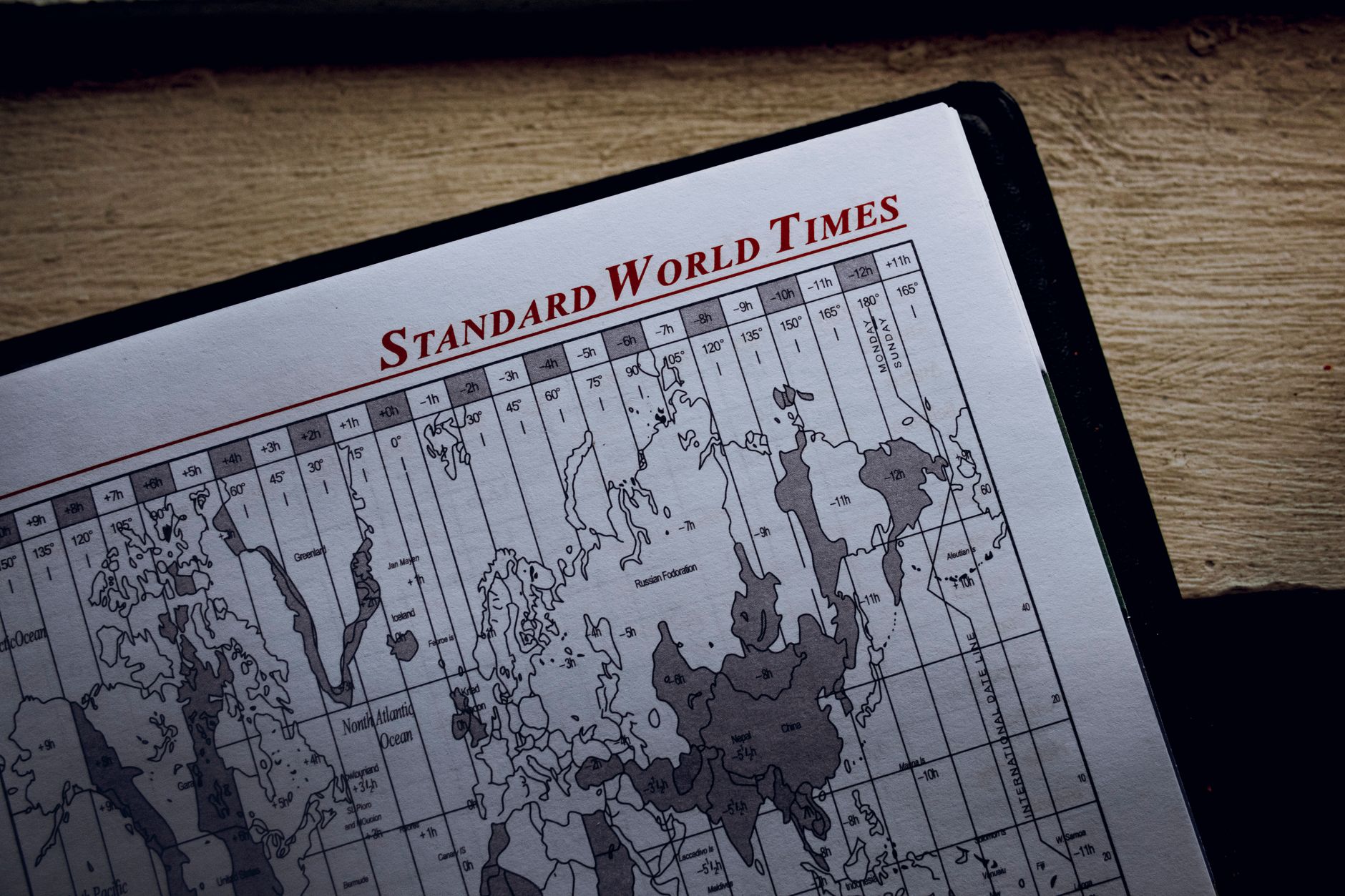
Photo by Nothing Ahead on Pexels
How can you turn this into a smarter World Cup plan?
Start by choosing your priority: live matches, city atmosphere, final-week drama, or betting-informed viewing. Then build the 2026 football world cup around that priority instead of trying to experience everything at once.
If live football matters most, focus on match clusters in Los Angeles, Atlanta, Dallas, or New York New Jersey. If culture matters most, Los Angeles and Atlanta offer two distinct styles: LA’s region-wide festival model and Atlanta’s concentrated Southern football identity. If the final is your dream, begin budgeting for July 19, 2026, around MetLife Stadium now, but keep a fan-event backup plan. If betting analysis is part of your viewing experience, use Football Compass for team tactics, player stats, and market context, while following responsible gambling rules and local regulations.
The 2026 football world cup will reward prepared fans. It will also punish vague plans, especially in high-demand cities where hotel rates, transport time, and event access can shift quickly. My final recommendation is simple: choose one city anchor, one match goal, one fan-event backup, and one trusted analysis source before the tournament noise gets loud.
For daily 2026 World Cup insights from Football Compass, continue your planning here.
Frequently Asked Questions
Q: What is the 2026 football world cup?
A: The 2026 football world cup is FIFA’s 48-team men’s national-team tournament hosted by the United States, Canada, and Mexico. It is the first men’s World Cup staged across three countries, creating a wider travel map than previous editions. Key U.S. host markets include Los Angeles, Atlanta, New York New Jersey, Dallas, Miami, and others.
Q: How do I plan a trip for the 2026 football world cup?
A: Start by choosing one host-city cluster, then build your flights, hotel, stadium route, and fan-zone plan around it. Check official FIFA and host-city pages before booking because kickoff times, venue rules, and event calendars can change. A strong plan includes one match-day anchor, one flexible fan-event backup, and transport buffers.
Q: What is the difference between a match ticket and a fan zone?
A: A match ticket gives you stadium access, while a fan zone offers public viewing, entertainment, food, and community atmosphere. Los Angeles is promoting Official Fan Zones and a FIFA Fan Festival at LA Memorial Coliseum alongside SoFi Stadium matches. Fan zones can be a smart alternative when tickets are unavailable or too expensive.
Q: Is Los Angeles or Atlanta better for the 2026 football world cup?
A: Los Angeles is better for a large festival-style trip, while Atlanta is better for a compact, supporter-driven football atmosphere. LA offers eight matches and 39 days of celebrations, but travel distances can be longer. Atlanta’s Mercedes-Benz Stadium area may be easier for fans who want a concentrated downtown experience.
Q: How much should I budget for the 2026 football world cup?
A: Your budget should include tickets, lodging, flights, local transport, food, fan events, and a contingency fund. Final-week trips near MetLife Stadium on July 19, 2026, are likely to cost more than group-stage trips in many cities. If you follow betting markets, keep that bankroll separate from travel money.
Q: What should I do if I cannot get 2026 World Cup tickets?
A: Use official fan festivals, host-city watch parties, and verified public viewing events as your backup plan. Cities such as Los Angeles and Atlanta are building major fan experiences beyond stadium entry. Avoid unverified resale links and always confirm event details through official tournament or host-city channels.
Q: Is Football Compass useful for 2026 World Cup betting insights?
A: Yes, Football Compass is useful for fans who want match predictions, team tactics, player stats, and responsible betting context. It helps explain why odds move by connecting market prices with injuries, formations, travel, and player form. Use it as an analysis tool, not as a promise of guaranteed results.