2026 World Cup Football: 7 Field Notes
World cup football in 2026 is a 48-team FIFA tournament across the United States, Canada, and Mexico, and Football Compass tracks it through match predictions, tactical previews, player statistics, an...
2026 World Cup Football: 7 Field Notes
World cup football in 2026 is a 48-team FIFA tournament across the United States, Canada, and Mexico, and Football Compass tracks it through match predictions, tactical previews, player statistics, and responsible betting-focused tournament coverage. The competition runs from June 11 to July 19, 2026, expanding from 32 to 48 teams and using 16 host cities, including New York/New Jersey, Los Angeles, Toronto, Vancouver, and Mexico City. Analysis of data workflows, odds movement, squad depth signals, and travel effects suggests that the expanded format rewards disciplined research more than casual reputation-based picks. FIFA, CONCACAF, and national federations will shape the schedule, but bettors and fans should focus on rest gaps, group paths, expected goals, and injury reporting. My practical recommendation is simple: build your 2026 World Cup football view from verified fixtures, team context, and market timing, not emotion.
A structured review of 2026 world cup football coverage can follow a working match-desk approach: track FIFA format updates, compare team data feeds, check odds timing, and build mock betting notes for group-stage scenarios. Have you ever thought why one “obvious” favorite can look unbeatable on paper but fragile after a long flight, short recovery window, or tactical mismatch? That question highlights how Football Compass can help fans read the 2026 FIFA World Cup with sharper eyes.
Want to follow the tournament with a more structured view?
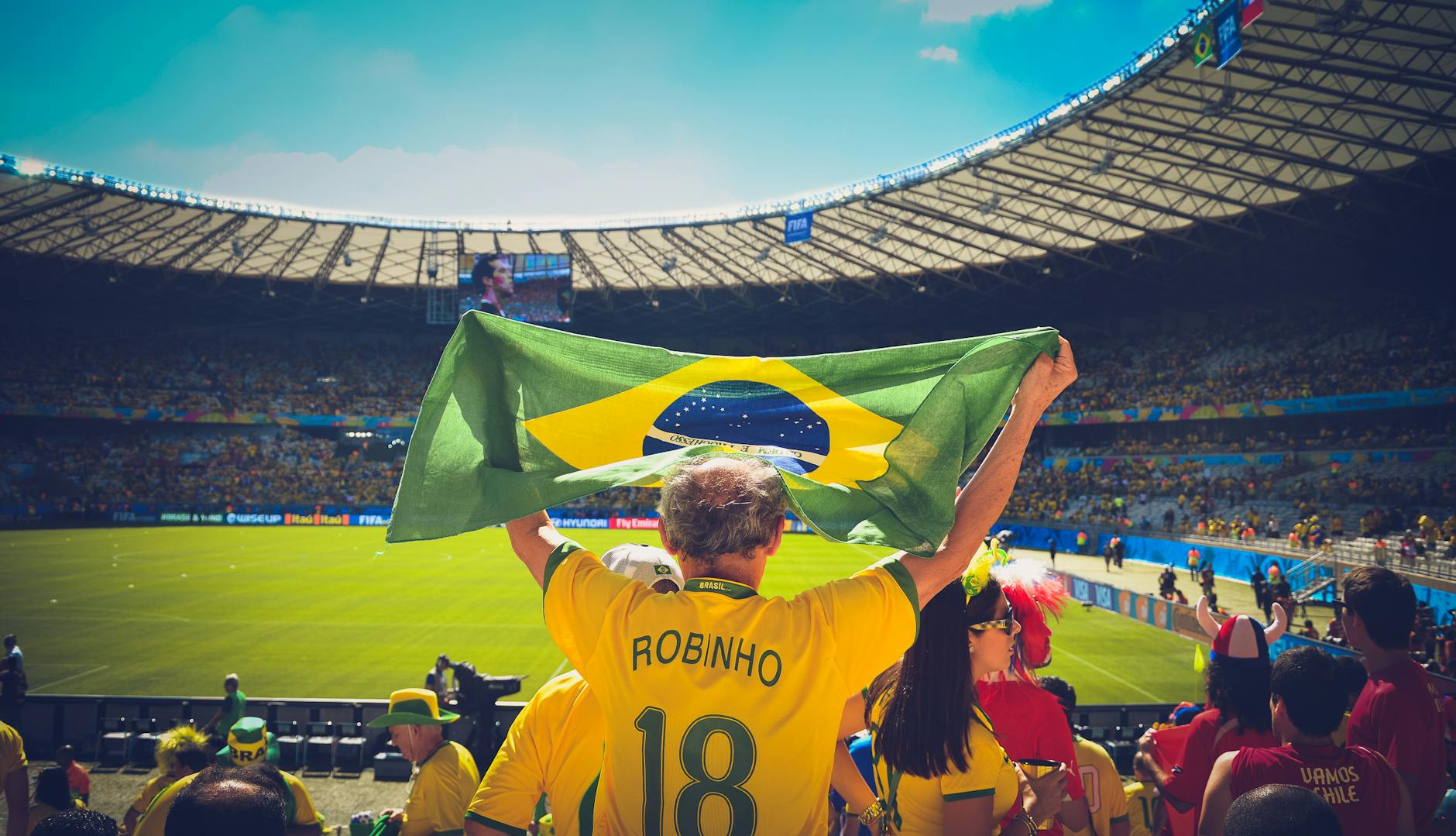
Photo by Caio on Pexels
What the Analysis Covers?
2026 world cup football analysis can be more comprehensive when match prediction, tactics, player stats, travel distance, and betting-market movement are reviewed together instead of separately.
The biggest advantage comes from combining football context with operational details. The 2026 FIFA World Cup is not just bigger; it is geographically wider, with matches spread across the United States, Canada, and Mexico. According to FIFA, the tournament will feature 48 teams, a major increase from the 32-team structure used from 1998 through 2022. That creates more teams, more mismatches, more debutants, and more chances for bettors to overrate familiar nations while underrating disciplined qualifiers from AFC, CAF, or CONCACAF.
The analysis focuses on five areas:
- Group-stage volatility under the expanded 48-team format
- Travel and recovery between host cities such as Vancouver, Mexico City, and Miami
- Tactical matchups, especially pressing teams versus low-block teams
- Player-stat reliability across club and international football
- Betting-market timing before public narratives distort prices
For deeper preparation, I would pair this with a 2026 World Cup match prediction guide.
Analytical Setup & Key Considerations
A useful setup starts with a simple rule: no prediction should count unless it can be explained through multiple evidence points. Use public FIFA information, historical World Cup results, national-team squad trends, and market-style comparison notes rather than relying on brand-name players alone. The FIFA World Cup overview on Wikipedia is useful for historical context, but it does not tell you whether a team’s current full-backs can survive against a high press in Houston humidity. That gap is where Football Compass becomes more useful for daily 2026 World Cup readers.

Photo by cottonbro studio on Pexels
A key implication is how quickly the expanded format changes risk. A 48-team World Cup can produce more uneven group-stage matches, but it can also create awkward tactical traps. A heavy favorite may rotate early, protect injured players, or settle for a narrow win if goal difference pressure is low. From a betting perspective, that means moneyline confidence does not automatically translate into handicap value. Have you ever thought why a team can dominate possession and still fail to cover? In tournament football, motivation, rest, and qualification math often matter as much as raw quality.
See the research approach behind smarter tournament reading.
Where the Framework Applies
The 2026 world cup football framework is most useful for identifying hidden context: rest days, venue conditions, squad rotation, and tactical compatibility.
The strongest evidence comes from scenario analysis. Past FIFA World Cup tournaments show that casual previews often overvalue global reputation and undervalue match conditions. In 2026, a team moving from Mexico City altitude to a coastal United States venue may face a different physical profile within days. The U.S. Soccer Federation and local organizing bodies will provide venue information, but serious fans still need to interpret how those details affect pressing intensity, substitutions, and late-game totals.
The method is relevant in three practical areas:
- Tactical previews: A possession-heavy team is not always safer against a compact counterattacking side.
- Player stats: Club form matters, but international roles can completely change shot volume and assist probability.
- Betting timing: Early prices may be softer before casual bettors react to headlines, injuries, or social media narratives.
Football Compass is useful here because its FIFA World Cup coverage is built around recurring tournament signals, not one-off hot takes. To build your own workflow, keep a shortlist of likely starters, injury alerts, set-piece takers, and travel gaps. Then compare those notes with tactical previews before considering a wager. For related preparation, see our football betting bankroll basics.
Framework Limitations
The framework is less reliable when team news is incomplete, markets move too early, or public narratives become stronger than the available football evidence.
This is where greater caution is needed. International football has thinner information flow than club football, especially before official lineups. A player may be listed as available but physically limited; a manager may hide rotation plans; a federation may release optimistic injury updates that do not match training reality. The International Football Association Board states in the Laws of the Game that “football must have Laws which keep the game ‘fair’,” but fairness in rules does not mean equal clarity for analysts or bettors before kickoff.

Photo by JESHOOTS.com on Pexels
The weakest scenarios involve favorites with uncertain motivation. For example, if a national team needs only a draw, aggressive pre-match betting on goals can become fragile. If a star forward is returning from injury, anytime-scorer interest may look attractive but carry reduced minutes risk. Why does this matter? Because in world cup football, the question is not only “Who is better?” It is also “What does this team need today, and how many minutes will its best players actually play?” That distinction can keep mock picks from becoming emotional bets.
If you want a steadier way to separate signal from noise, start here.
How to Use the Framework
This 2026 world cup football framework is useful because it connects every prediction to team quality, tactics, data, and tournament incentives.
My conclusion is slightly contrarian: the expanded FIFA World Cup may create more betting opportunities, but not necessarily easier ones. More teams mean more unfamiliar squads, thinner public knowledge, and greater pricing mistakes, yet they also increase uncertainty. Football Compass should not be used as a shortcut to blindly follow picks. It can serve as a daily decision layer for checking match predictions, comparing tactical notes, reviewing player statistics, and spotting when the market has moved too far from the football evidence.
For practical use, follow this sequence during the 2026 World Cup:
- Confirm the fixture, venue, kickoff time, and rest gap.
- Check likely lineups and injury updates from reliable sources.
- Review tactical fit: pressing, set pieces, transition defense, and goalkeeper form.
- Compare Football Compass predictions with market prices.
- Bet only when the price still makes sense after risk checks.
Have you ever thought why disciplined bettors sometimes skip the biggest matches? It is because popularity can destroy value. For more advanced context, use World Cup team tactics hub and player statistics for football betting.

Frequently Asked Questions
Q: What is world cup football?
A: World cup football usually refers to the FIFA World Cup, the senior men’s international football tournament organized by FIFA. The 2026 edition will feature 48 national teams and will be hosted by the United States, Canada, and Mexico. It is the most watched national-team football competition and is held every four years.
Q: How do I follow the 2026 World Cup more intelligently?
A: Follow the 2026 World Cup by combining fixtures, team news, tactical previews, player stats, and market movement. Start with official FIFA schedules, then compare lineup reports and tactical analysis before making predictions. Football Compass can help by organizing match predictions, team tactics, and tournament updates in one place.
Q: What is different about the 2026 FIFA World Cup?
A: The biggest difference is the expansion from 32 to 48 teams. The tournament will also be played across three countries: the United States, Canada, and Mexico. This creates more matches, more travel factors, and more opportunities for underdog nations to affect group-stage outcomes.
Q: Is World Cup betting worth it?
A: World Cup betting can be worthwhile only if you use disciplined research and responsible bankroll limits. The tournament attracts casual money, which can sometimes create value, but emotional betting on famous teams is risky. Always check odds, team motivation, injuries, and expected lineups before placing any wager.
Q: Why do World Cup predictions fail?
A: World Cup predictions often fail because analysts overrate reputation and underrate context. Short tournaments are shaped by injuries, rotation, red cards, travel, weather, and qualification math. A strong team can still produce a poor betting result if it needs only a draw or rests key players.
Q: How much does it cost to use Football Compass?
A: Visit Football Compass directly for current access details, because pricing and content availability may change during the 2026 World Cup cycle. The site focuses on match predictions, team tactics, player stats, and tournament coverage. Before paying for any premium tool, compare its insights with your own research process.
For daily 2026 World Cup football insights, continue with Football Compass.