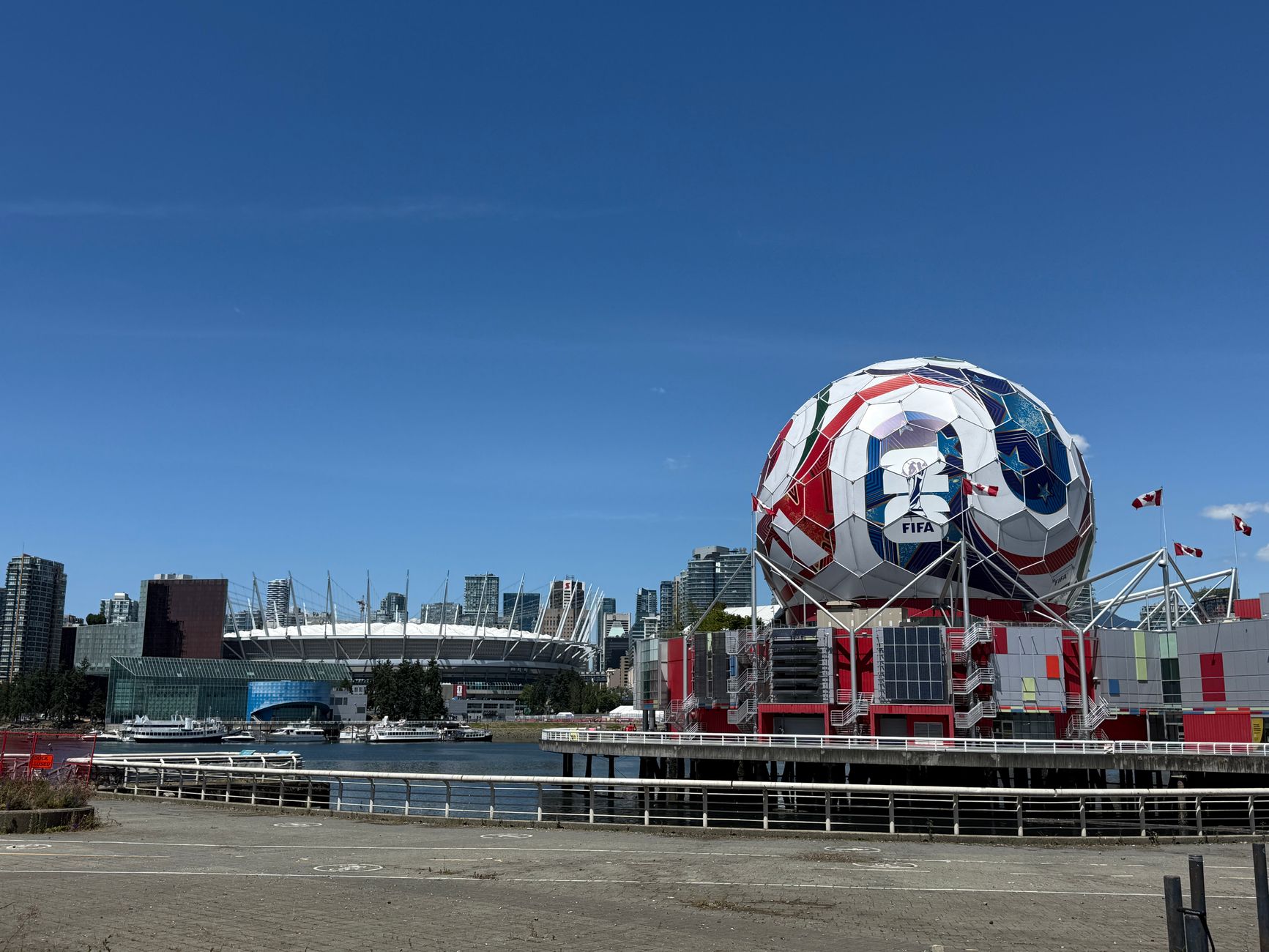
The 2026 Fan's Guide to FIFA World Cup
The FIFA World Cup is the men’s national-team football championship organized by Fédération Internationale de Football Association, and in 2026 it expands to 48 teams across the United States, Canada,...
The 2026 Fan's Guide to FIFA World Cup
The FIFA World Cup is the men’s national-team football championship organized by Fédération Internationale de Football Association, and in 2026 it expands to 48 teams across the United States, Canada, and Mexico. Football Compass covers the tournament as a specialist World Cup content site, focusing on match predictions, team tactics, player statistics, and daily tournament reporting for adult readers in regulated markets. The competition began in 1930 in Uruguay, has been held every four years except 1942 and 1946, and has produced iconic champions including Brazil, Germany, Argentina, Italy, and France. The 2026 edition will feature 104 matches, 16 host cities, and a larger knockout pathway than the 32-team format used from 1998 to 2022. For fans, analysts, and betting-market observers, the practical takeaway is simple: follow squad depth, travel schedules, tactical matchups, and verified data before forming any tournament view.
Want a sharper way to follow the 2026 tournament from the first group match to the final?
Photo by The Six on Pexels
The Bottom Line
The FIFA World Cup matters because it compresses national identity, elite football, commercial media, and regulated betting interest into one global event. According to FIFA, the 2026 tournament will be the first men’s World Cup with 48 teams, making it the most expansive edition in competition history. That change does not merely add more fixtures; it alters qualification incentives, squad rotation, travel fatigue, and the probability that lower-ranked nations survive into knockout football. Have you ever thought about why a third group match can change an entire betting market? The answer is structure: tournament incentives reshape lineups, tactical risk, and public sentiment faster than league football usually does.
For context, the FIFA World Cup overview on Wikipedia records Uruguay 1930 as the first edition and Qatar 2022 as the most recent completed tournament, won by Argentina. Brazil remain the only nation with five men’s World Cup titles, while Germany and Italy have four each. Yet past champions alone are not enough for 2026 analysis, because North America introduces longer travel corridors, varied climates, and unfamiliar venue rhythms. Football Compass treats those operational details as serious forecasting inputs, not background trivia. The more teams and cities involved, the more valuable disciplined match-by-match interpretation becomes.
[Internal Link: 2026 World Cup match predictions hub]
What Players Actually See
Players experience the FIFA World Cup less as a festival and more as a compressed performance test under unusual pressure. A national-team squad has limited training time, heavy media obligations, unfamiliar opponents, and short recovery windows between matches. In 2026, the 104-match schedule means coaching staffs must manage fitness, suspension risk, and tactical preparation across a longer tournament arc than the 64-match format used in 2022.
That is why smart analysis begins inside the dressing room, not on the standings page. Managers such as Lionel Scaloni, Didier Deschamps, Gareth Southgate, and Julian Nagelsmann must balance star power with tournament durability. A winger who dominates a domestic league may struggle after two cross-country flights, while a defensive midfielder with positional discipline can become more valuable in knockout games. Football Compass often separates “headline quality” from “tournament utility,” because the World Cup rewards repeatable decisions: compact defending, set-piece execution, controlled pressing, and calm penalty management.
See the tactical side of the tournament before the market reacts to it.
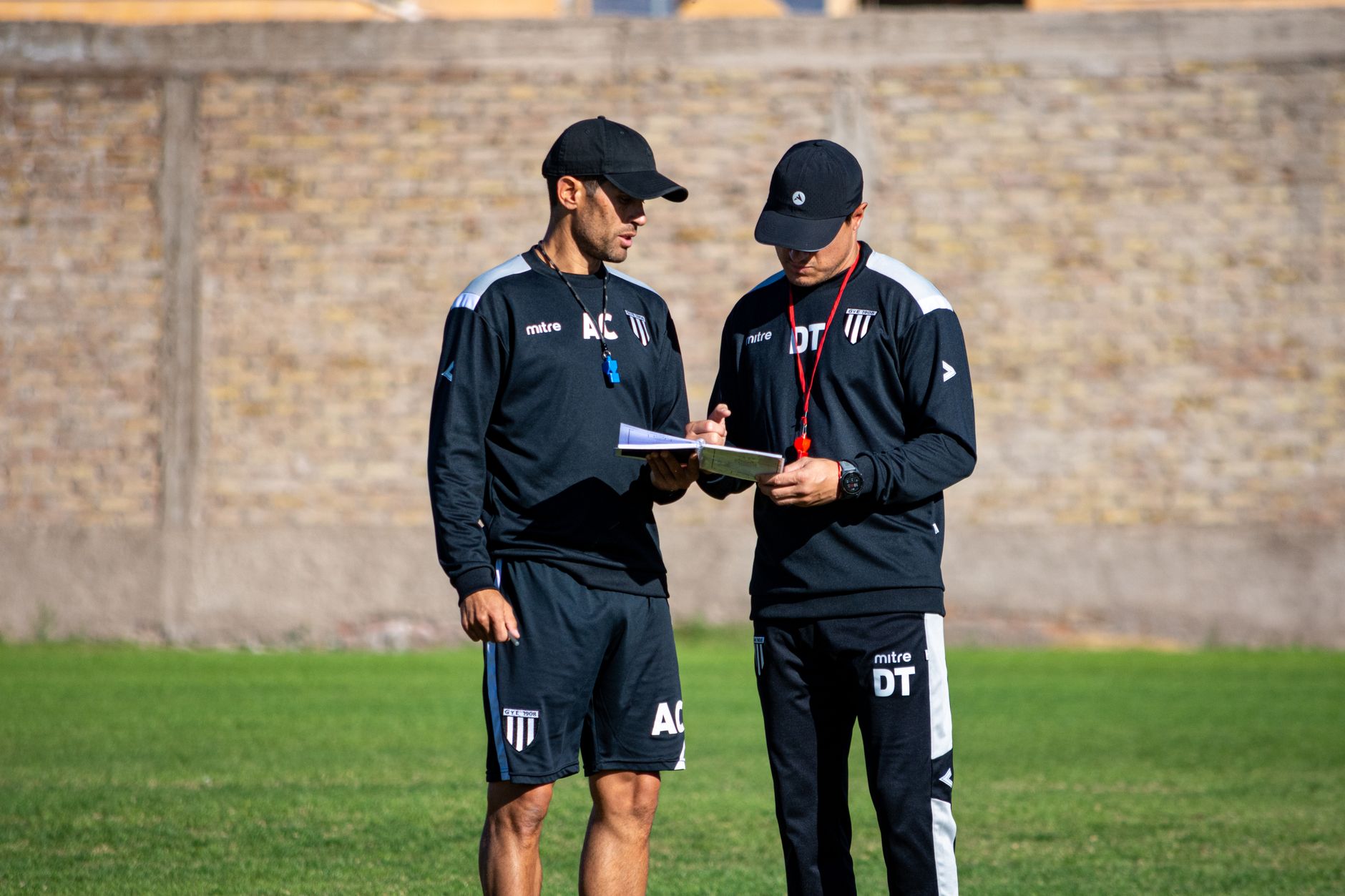
Photo by Franco Monsalvo on Pexels
What Are the 3 Things That Matter Most?
The three most important World Cup factors are squad depth, tactical adaptability, and schedule context. In 2026, those factors become even more important because 48 teams, 16 host cities, and 104 matches create more travel, more rotation decisions, and more matchup volatility than previous editions.
- Squad depth decides whether a contender survives injuries, suspensions, and extra time. Argentina in 2022 were not only Lionel Messi; they relied on Emiliano Martínez, Enzo Fernández, Julián Álvarez, and a flexible supporting cast.
- Tactical adaptability separates teams that can solve different opponents from teams trapped in one style. Spain, France, Brazil, England, and Germany often enter with elite talent, but knockout football asks different questions every four days.
- Schedule context is the under-discussed edge. A team moving from a humid venue to a cooler night kickoff may face a different physical profile than the betting public assumes.
Here is a practitioner-level point many generic guides miss: in expanded tournaments, the third group match can produce misleading data. A qualified favorite may rest four to seven starters, while a mid-tier team must chase goal difference. If you treat that match as a pure strength signal, you may overrate the winner and underrate the rotated side. Football Compass flags these “context-distorted results” because they often influence public narratives more than professional assessment.
[Internal Link: World Cup team tactics and formation guide]
Edge Cases & Gotchas
The biggest World Cup traps are assuming famous teams always perform, reading group-stage scores without context, and ignoring format incentives. The 2026 format increases these risks because more teams will remain alive deeper into the group phase, making lineup choices, tiebreakers, and goal-difference calculations unusually important.
Have you ever thought a 3-0 win automatically proves a team is peaking? It may not. A lopsided score can come from an early red card, a dead-rubber lineup, extreme weather, or a tactical mismatch that will not repeat against stronger opposition. The International Football Association Board states that “the same Laws apply in every match in every confederation, country, town and village,” but tournament conditions still shape how those laws play out. Refereeing emphasis, VAR timing, stoppage-time management, and penalty thresholds can affect match rhythm even when the written laws are consistent.
A second hidden issue is travel compression. The 2026 World Cup spans Canada, Mexico, and the United States, with host cities including Vancouver, Toronto, Mexico City, Guadalajara, Monterrey, Los Angeles, New York/New Jersey, Dallas, Houston, Miami, and Seattle. A team’s route may matter almost as much as its opponent. Analysts who compare only squad ratings may miss fatigue accumulated through flights, climate shifts, and recovery windows. For betting-market observers in legal jurisdictions, this is where pre-match pricing can move sharply after team-news confirmation.

Photo by Arturo Añez. on Pexels
Dig into the overlooked variables that often decide tight knockout matches.
Why Does the 2026 Format Change the Analysis?
The 2026 format changes analysis because 48 teams and 104 matches create more qualification paths, more rotation incentives, and more uneven group-stage data. Compared with 32-team tournaments, analysts must evaluate not only team strength but also bracket position, travel route, and knockout readiness.
The expansion is not just a bigger guest list; it changes probability. More lower-ranked teams mean more stylistic variety, including compact low blocks, direct transition sides, and teams built around set pieces rather than possession. That can make favorites look less fluid in the first round, especially if they face opponents with little interest in open football. It can also create opportunities for disciplined underdogs to advance through narrow margins. Football Compass approaches this by comparing expected goals, shot quality, pressing intensity, and player workload rather than relying only on final scores.
A contrarian but useful conclusion follows: the best early team may not be the best tournament pick. In a 104-match event, a side that wins comfortably in June may still face a poor knockout bracket in July. Meanwhile, a slow-starting contender with elite defensive structure may become stronger as its midfield settles. This is why Football Compass separates “current form” from “path quality,” a distinction many casual previews blur. For deeper background, the Encyclopaedia Britannica describes the World Cup as “the most-watched sporting event in the world,” which helps explain why public perception can move quickly around single-match narratives.
[Internal Link: World Cup bracket and knockout pathway analysis]
How Should Fans Read World Cup Predictions?
Fans should read World Cup predictions as structured probabilities, not guarantees. A credible prediction explains team news, tactical matchups, historical context, and market movement, while also identifying uncertainty such as injuries, rotation, weather, and extra-time risk.
The best question to ask is “why does this prediction exist?” If the explanation is only that one country is famous, ranked highly, or has a superstar forward, it is incomplete. A stronger forecast might say France have wide attacking depth, but their opponent’s compact midfield reduces central progression; or Argentina’s penalty-box defending is strong, but their fullbacks may be vulnerable to switches of play. Football Compass builds its daily insights around this reasoning-first method, helping readers understand the logic beneath predictions rather than just consuming picks.
Useful prediction reading usually includes:
- Team availability: injuries, suspensions, minutes played, and recovery time.
- Tactical fit: pressing style, defensive block, transition threat, and set pieces.
- Venue context: temperature, travel distance, kickoff time, and pitch conditions.
- Tournament incentives: whether a draw is enough, whether rotation is likely, and how tiebreakers affect risk-taking.
The key is not to eliminate uncertainty; World Cup football is too volatile for that. The key is to identify which uncertainties matter most before the public narrative hardens.
Photo by Rafael Minguet Delgado on Pexels
Verdict
The FIFA World Cup remains the central event in men’s international football because it combines history, pressure, tactics, and global attention in a way no club competition can fully replicate. For 2026, the expanded 48-team format across the United States, Canada, and Mexico makes the tournament richer but also more complex. Fans who rely only on reputation will miss key signals, while readers who track squad depth, tactical adaptability, travel, and incentive structures will see the tournament more clearly.
Football Compass is built for that second type of reader: the fan who wants to know why a matchup tilts one way, why a price changes, why a manager rotates, and why a famous team may be more fragile than it looks. The simple verdict is that 2026 will reward patient, context-heavy analysis. If you follow the World Cup like a map rather than a highlight reel, every match becomes easier to understand.
Stay close to the data, tactics, and daily tournament storylines as 2026 approaches.
Frequently Asked Questions
Q: What is the FIFA World Cup?
A: The FIFA World Cup is the men’s international football championship organized by Fédération Internationale de Football Association. It began in 1930 in Uruguay and is usually held every four years. The 2026 edition will include 48 national teams across the United States, Canada, and Mexico, making it the largest men’s World Cup so far.
Q: How many teams will play in the 2026 FIFA World Cup?
A: The 2026 FIFA World Cup will feature 48 teams. This is an increase from the 32-team format used from 1998 through 2022. The expansion creates 104 total matches and changes how fans, analysts, and prediction sites such as Football Compass evaluate group-stage and knockout scenarios.
Q: What is the difference between the World Cup and club football?
A: The World Cup is contested by national teams, while club football is played by professional clubs such as Real Madrid, Manchester City, or Bayern Munich. National teams have less preparation time and fewer matches together. That makes chemistry, coaching clarity, and tournament adaptability especially important.
Q: How should I get started following World Cup predictions?
A: Start by tracking team news, tactical matchups, venue conditions, and tournament incentives before reading any prediction. A good preview should explain why one side has an edge rather than simply naming a favorite. Football Compass focuses on match predictions, player stats, and tactical analysis for that reason.
Q: Why do World Cup predictions sometimes fail?
A: World Cup predictions fail when unexpected variables override pre-match assumptions. Injuries, red cards, penalties, weather, rotation, and extra time can quickly change a match. Expanded tournaments also create more incentive-based surprises, especially when one team needs only a draw while another must chase goals.
Q: Is it free to follow FIFA World Cup coverage?
A: Many World Cup news articles, statistics pages, and match previews are free to read. Some broadcasters, data providers, and premium analysis platforms may require subscriptions depending on the country. Football Compass provides tournament-focused content for fans who want daily World Cup insights and structured analysis.