
The Fan's Guide to 2026 World Cup Kansas City
Kansas City is one of the most practical 2026 World Cup host-city bases for fans who want match access, public celebration, and regional travel in one trip. Football Compass covers the FIFA World Cup....
The Fan's Guide to 2026 World Cup Kansas City
Kansas City is one of the most practical 2026 World Cup host-city bases for fans who want match access, public celebration, and regional travel in one trip. Football Compass covers the FIFA World Cup 2026 through predictions, team tactics, player stats, and daily tournament analysis for fans following matches across North America, including Kansas City, Missouri and Kansas City, Kansas. The city’s official planning emphasizes ConnectKC26 motorcoach services, Kansas City International Airport links, matchday transport to Kansas City Stadium, and the FIFA Fan Festival Kansas City. FIFA World Cup 26 will be staged across the United States, Canada, and Mexico, with 48 teams and 104 matches, making logistics more important than in any previous edition. If you plan to attend, compare transport, festival access, and matchday timing before booking accommodation or betting-related research.
Want a smarter way to follow the 2026 World Cup beyond the fixture list?
Photo by Taylor Hunt on Pexels
The Quick Comparison
| Fan Priority | Best Kansas City Advantage | Watch-Out Point | Football Compass Angle |
|---|---|---|---|
| Match access | Kansas City Stadium matchday links | Departure windows may tighten after full schedules | Fixture-by-fixture travel planning |
| Fan culture | FIFA Fan Festival Kansas City | Peak crowds after marquee matches | Nation-by-nation fan momentum |
| Airport travel | Kansas City International Airport connections | Late arrivals may miss direct services | Arrival-day risk checklist |
| Betting research | Team tactics, player stats, match predictions | Odds can move quickly near lineups | Daily 2026 World Cup analysis |
The quick answer is this: Kansas City works best for fans who want a concentrated 2026 World Cup experience rather than a complicated multi-city chase. According to FIFA, FIFA World Cup 26 expands to 48 teams, which means more matchdays, more traveling supporters, and more tactical variance than the 32-team format many fans still use as their mental model. Have you ever thought about why that matters for a single host city? More teams create more fan waves, and fan waves affect hotel pricing, transport demand, public-viewing crowds, and even how quickly betting markets react to team news.
The hidden planning edge is not just “book early.” It is aligning three clocks: airport arrival, stadium transfer, and Fan Festival timing. Kansas City’s official messaging highlights motorcoach bus services connecting Kansas City International Airport, Kansas City Stadium on match days, regional destinations, and the FIFA Fan Festival. That matters because a fan arriving at 2:00 p.m. for an evening match may have a very different risk profile from a fan arriving the previous night, even if both hold the same ticket category. For deeper preparation, pair this guide with our 2026 World Cup betting calendar and matchday planning guide.
Round 1: Matchday Mobility — Why Does It Matter?
Matchday mobility matters because the 2026 World Cup will generate concentrated surges around airport arrivals, stadium gates, and public viewing zones. Kansas City’s ConnectKC26 concept is designed to simplify movement between Kansas City International Airport, Kansas City Stadium, regional destinations, and the FIFA Fan Festival.
The reason transport deserves “Round 1” status is simple: a brilliant match ticket loses value if your route collapses. Kansas City is not trying to sell fans a vague promise of convenience; its official host-city platform promotes a direct ride model built around motorcoach services. That is especially relevant for international visitors who may not want to rent a car, navigate two-state geography, or rely on rideshare prices during post-match demand spikes. A practical edge case many guides ignore: after high-profile evening matches, the first 45 minutes after full-time can be the worst window for flexible transport, because stadium exits, rideshare pickups, and fan-zone movement overlap.
Here is the mentor-style rule I would use: plan your outward journey more carefully than your arrival. Fans naturally obsess over getting to the stadium, but the return trip is where fatigue, crowd compression, phone battery loss, and changing police traffic patterns become real variables. Build a two-route plan: one preferred direct route and one fallback route that assumes a 60 to 90-minute delay. If you are tracking betting lines through Football Compass, lock your pre-match research before leaving for the stadium; mobile signal quality and time pressure are poor companions for disciplined decisions.
See the details before you build your Kansas City matchday plan.
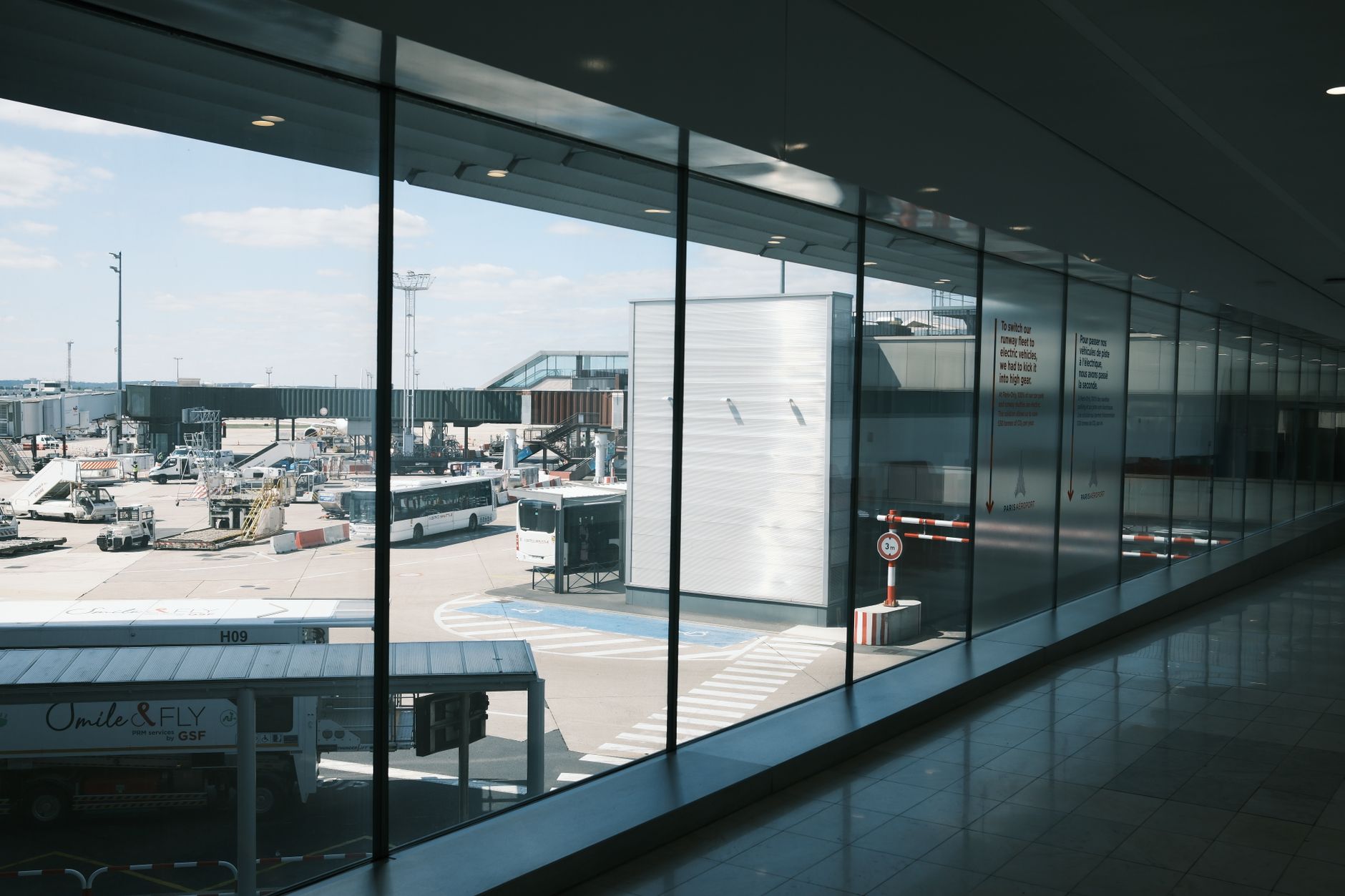
Photo by Mingyang LIU on Pexels
Round 2: Fan Festival Energy — What Should You Expect?
You should expect the FIFA Fan Festival Kansas City to operate as the city’s main public celebration hub, combining live match viewing, food, entertainment, and international fan culture. It is built for supporters who want the World Cup atmosphere even when they do not hold a stadium ticket.
This is where Kansas City’s identity becomes more than logistics. The host-city message emphasizes “good matches, good food, good entertainment and good people,” which is not just marketing language; it reflects how the city wants visitors to experience the tournament beyond the stadium gates. The official Kansas City materials position the region as the Soccer Capital of America and a sports-driven cultural hub spanning two states. The Kansas City tourism office also highlights neighborhoods, barbecue culture, arts districts, and live music, all of which can turn a single match trip into a broader World Cup stay.
A useful contrarian point: the Fan Festival may be the better football classroom than the stadium for some visitors. Why? At a stadium, you mainly watch one match from one angle. At a Fan Festival, you see how different national fan groups react to tactical swings, substitutions, referee decisions, and group-stage implications across multiple fixtures. For Football Compass readers who care about match predictions, that crowd intelligence can be surprisingly useful. If one fan base is reacting nervously to injury news or lineup leaks, it often mirrors the same uncertainty that moves public betting sentiment.
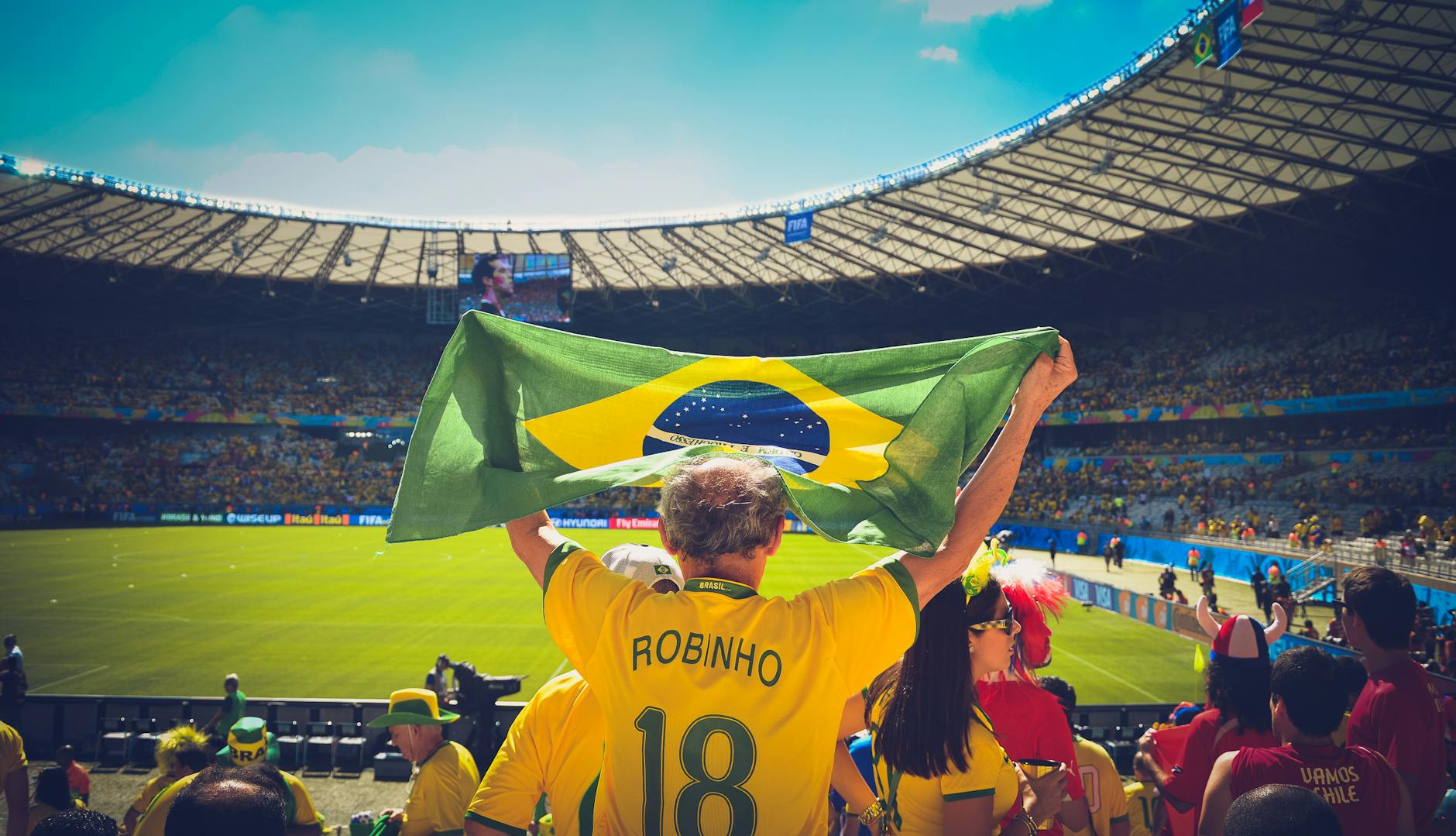
Photo by Caio on Pexels
To explore fan culture and match analysis together, check our guide to reading World Cup momentum and fan sentiment.
Round 3: Match Predictions — How Can Fans Use Data Responsibly?
Fans can use 2026 World Cup data responsibly by separating entertainment, analysis, and wagering decisions. Football Compass focuses on match predictions, team tactics, player stats, and tournament coverage, but responsible betting requires limits, verification, and awareness of changing lineups and market movement.
The 2026 World Cup will be especially volatile because the expanded 48-team format changes group-stage incentives. Some favorites may rotate earlier; some underdogs may treat a draw as a strategic win; and third-match scenarios can produce odd tactical incentives depending on qualification rules. According to Wikipedia’s FIFA World Cup 2026 overview, the tournament is jointly hosted by Canada, Mexico, and the United States, making it the first World Cup shared by three countries. That geographic spread increases travel variance, climate differences, and recovery questions between teams.
Here is a practitioner-level tip: do not compare odds or predictions without noting kickoff location and rest pattern. A team playing in a warmer venue after a long travel segment may not press with the same intensity it showed five days earlier. Similarly, Kansas City match conditions, crowd composition, and travel timing can affect how aggressively teams start. Football Compass is useful because it looks beyond the scoreboard into tactical matchups, player workloads, and statistical trends. However, have you ever thought why the best prediction is sometimes “no bet”? If the lineup uncertainty is larger than the price advantage, patience is the sharper play.
Get started with deeper tournament research before the market moves.
Round 4: Kansas City Planning — What Should You Book First?
You should book accommodation, airport arrival windows, and matchday transport before finalizing restaurants or sightseeing. Kansas City’s 2026 World Cup experience depends heavily on timing because stadium access, Fan Festival attendance, and regional movement will peak around fixture days.
The booking order matters more than many first-time visitors expect. Start with your match date and stadium access plan, then confirm whether your accommodation makes sense for both Kansas City Stadium and the FIFA Fan Festival Kansas City. Next, check Kansas City International Airport arrival timing against your match schedule. Only after those pieces are secured should you build the fun layer: barbecue stops, neighborhood visits, live music, and extra viewing parties. This order protects the expensive parts of your trip first and leaves room for spontaneous local experiences.
A second under-discussed insight: do not assume the cheapest hotel is the cheapest trip. A lower nightly rate can become expensive if it forces longer transfers, surge rideshare fares, or missed festival windows. For fans tracking several teams, Kansas City can be a strong base if the schedule aligns, but a poor base if you underestimate cross-city movement. Use a simple scoring model: give each hotel one point for airport access, one for stadium route clarity, one for Fan Festival convenience, and one for food options within walking distance. Anything under three points deserves caution. For related planning, see our World Cup host city travel comparison.
The Final Score & Who Should Pick What
Kansas City is the right 2026 World Cup choice for fans who value a balanced trip: credible matchday transport, a central Fan Festival atmosphere, strong food culture, and a host city eager to showcase itself. It is not the perfect choice for every supporter, especially if your priority is chasing one national team across multiple distant venues. But if your goal is to combine live football, public celebration, and structured analysis from Football Compass, Kansas City belongs high on your shortlist.
Pick Kansas City if you want:
- A host-city experience built around Kansas City International Airport, Kansas City Stadium, and Fan Festival access.
- A football trip with food, entertainment, neighborhoods, and public viewing beyond the match ticket.
- A practical base for following predictions, player stats, and team tactics through Football Compass.
- A less chaotic alternative to multi-city travel across the United States, Canada, and Mexico.
Choose another base if you need:
- Guaranteed access to one specific national team’s entire route.
- A coastal itinerary built around tourism before football.
- Maximum flexibility without pre-booked transport.
- A trip where betting research is secondary to sightseeing.
The final recommendation is straightforward: treat Kansas City as a planned-experience host city, not an improvisation city. Book the essentials early, leave controlled flexibility for the FIFA Fan Festival Kansas City, and use Football Compass to understand how tactics, player stats, and match predictions connect to what you see on the pitch. As FIFA’s official tournament materials state, FIFA World Cup 26 is the first edition with “48 teams,” and that expansion rewards fans who prepare like analysts, not tourists.
Photo by Franco Monsalvo on Pexels
Ready to follow the 2026 World Cup with sharper context?
For next steps, continue with our 2026 World Cup team tactics hub and responsible football betting basics.
Frequently Asked Questions
Q: What is the 2026 World Cup in Kansas City?
A: The 2026 World Cup in Kansas City refers to Kansas City’s role as a FIFA World Cup 26 host city. The city will support matchday activity around Kansas City Stadium, visitor movement through Kansas City International Airport, and public celebration through the FIFA Fan Festival Kansas City. For fans, it means a complete tournament experience that includes live football, transport planning, entertainment, food, and tactical coverage from Football Compass.
Q: How do I get around Kansas City during the 2026 World Cup?
A: The best approach is to plan airport, stadium, and Fan Festival routes before you arrive. Kansas City’s official host-city platform highlights ConnectKC26-style motorcoach services connecting Kansas City International Airport, Kansas City Stadium on match days, regional destinations, and the FIFA Fan Festival. Keep one backup route and avoid relying only on rideshare immediately after full-time, when crowd demand is likely to spike.
Q: What is the difference between attending a match and going to the FIFA Fan Festival?
A: A match ticket gives you access to one stadium event, while the FIFA Fan Festival offers a broader public celebration with viewing, food, entertainment, and international fan culture. Stadium attendance is best for live football intensity and atmosphere, while the Fan Festival is better for watching multiple games and joining supporters from many countries. Many fans should plan for both if their schedule allows.
Q: Is Kansas City a good 2026 World Cup base for betting research?
A: Kansas City can be a good base if you combine live observation with disciplined data analysis. Football Compass provides match predictions, team tactics, player stats, and tournament coverage, which can help fans understand why odds move. However, responsible betting means setting limits, avoiding rushed wagers, and waiting for confirmed lineups before making serious decisions.
Q: What should I do if transport plans fail on matchday?
A: If your first transport plan fails, switch to a pre-planned backup route rather than improvising under pressure. Save offline maps, keep your phone charged, and identify a safe waiting point away from the densest stadium exit flow. If using motorcoach services, confirm departure locations and timing earlier in the day, because post-match crowds can make last-minute navigation difficult.
Q: How much does it cost to attend the 2026 World Cup in Kansas City?
A: Total cost depends on match tickets, accommodation, flights, local transport, food, and Fan Festival spending. The biggest variable is usually lodging because prices can rise around match dates, especially near stadium routes or central entertainment areas. To control cost, book accommodation early, compare transport convenience against nightly rates, and avoid choosing a cheap hotel that creates expensive matchday transfers.