The Football Fan's Guide to the Top 5 2026 FIFA World Cup Host Cities
The 2026 FIFA World Cup is the biggest tournament in football history — 48 teams, 104 matches, 16 host cities across the United States, Canada, and Mexico, and roughly 6 million expected fans in atten...
The Football Fan's Guide to the Top 5 2026 FIFA World Cup Host Cities
The 2026 FIFA World Cup is the biggest tournament in football history — 48 teams, 104 matches, 16 host cities across the United States, Canada, and Mexico, and roughly 6 million expected fans in attendance. Los Angeles takes the top spot in our ranking thanks to its 8 matches at SoFi Stadium, the 39-day FIFA Fan Festival at the LA Memorial Coliseum, and unmatched entertainment options. Whether you're booking flights, placing tournament bets on Football Compass, or planning the trip of a lifetime, choosing the right host city shapes your entire World Cup experience.
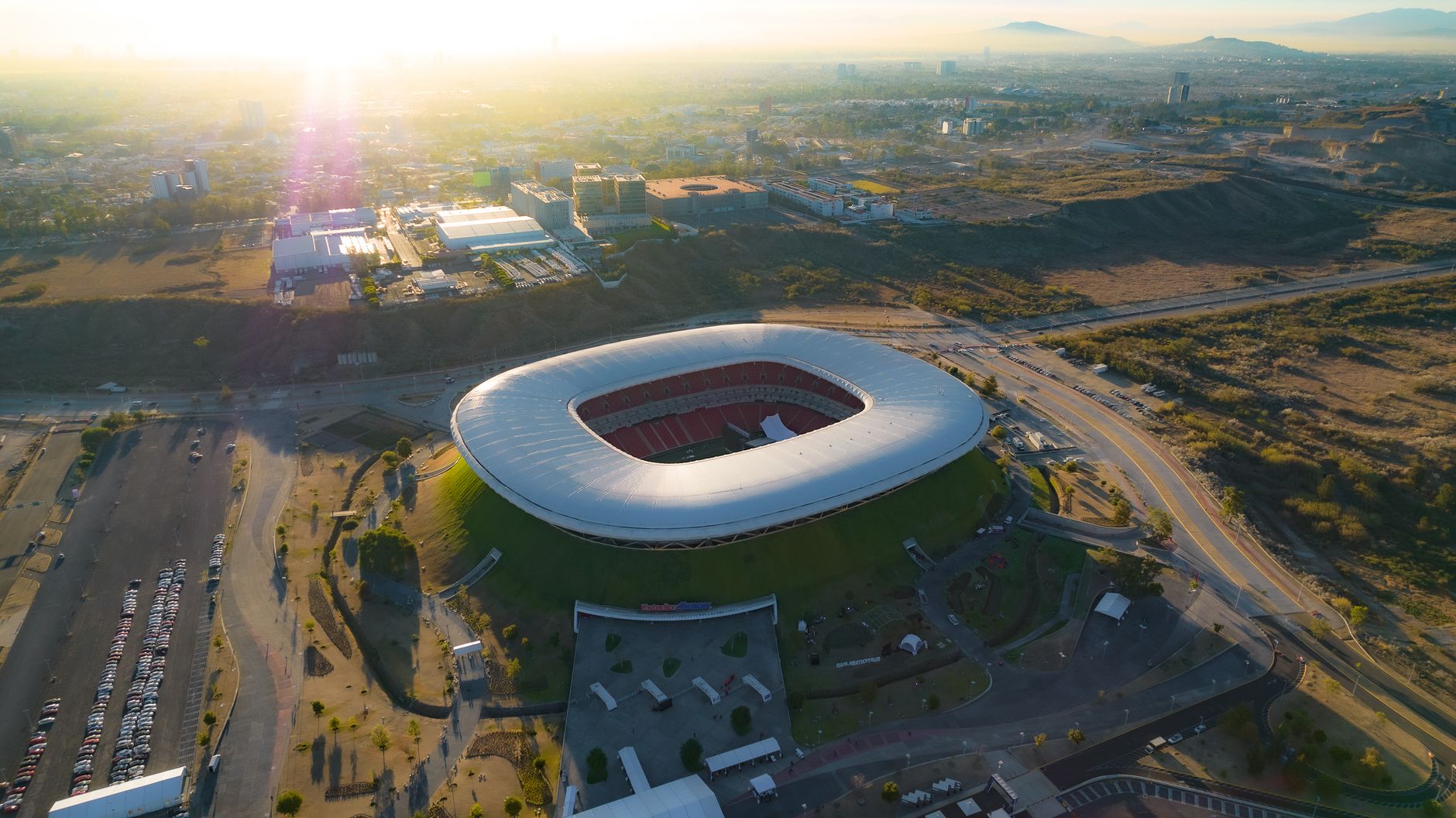
Photo by Carlos Reyes on Pexels
The Top 5 at a Glance
- Los Angeles — Best overall for fans who want matches, music, and massive fan zones
- Miami — Best for nightlife, beach culture, and Latin American fan energy
- Dallas — Best for stadium spectacle at the largest FIFA venue in the tournament
- New York/New Jersey — Best for big-match drama at MetLife Stadium
- Toronto — Best for international atmosphere and accessible Canadian hospitality
How Did Los Angeles Become the #1 Host City for 2026?
Los Angeles is the best overall host city for the 2026 FIFA World Cup because it combines the highest match count among U.S. venues (8 matches), the only confirmed FIFA Fan Festival in the country, and 39 consecutive days of programmed fan celebrations. The city also hosts the U.S. Men's National Team opening match on June 12 at SoFi Stadium — a 70,000+ capacity venue already proven from the 2022 NFL and college football mega-events. Add Official Fan Zones across LA County, a world-class hospitality scene, and direct flights from every major global city, and Los Angeles becomes the clear anchor for any fan's 2026 itinerary.
Los Angeles earned its top ranking through three specific advantages that no other host city can match at the same scale. First, SoFi Stadium in Inglewood is one of the most technologically advanced football venues on the planet — it hosted the 2026 FIFA World Cup group-stage opener and several knockout-round fixtures, including matches featuring the U.S. Men's National Team. Second, the LA Memorial Coliseum at Exposition Park transforms into the official FIFA Fan Festival hub from June 11 through July 14, featuring live match broadcasts on giant screens, food from LA's diverse culinary scene, and headline performances from artists like Steve Aoki, Normani, Deorro, Sickick, Los Lobos, Capital Cities, and DJ Ravindrums. Third, the Official Fan Zones spread across LA County create neighborhood-level watch parties that no other host city's organizing committee has replicated at this depth.
If you're planning to bet on World Cup matches while attending in person, Football Compass covers daily odds analysis, team tactics, and player stats that help you read group-stage value before kickoff. The LA cluster of matches includes several group fixtures with potential knockout implications, which historically produces the sharpest betting lines of the entire tournament.

Photo by César O'neill on Pexels
Why Does Miami Rank #2 for Football Fans in 2026?
Miami is the best host city for nightlife and Latin American fan culture because Hard Rock Stadium in Miami Gardens will host multiple high-profile knockout matches, and the city's pre-existing soccer infrastructure (Inter Miami, the 2026 Club World Cup venue) creates a year-round football atmosphere unmatched outside of Los Angeles.
Miami's strength lies in its cultural overlap with the football world's largest fan bases. According to the Miami-Dade County tourism board, the metro area is home to over 1.3 million residents who identify as Hispanic or Latino — the largest such population in any U.S. host city. That demographic reality translates into sold-out fan zones for Argentina, Brazil, Mexico, Colombia, Uruguay, and Ecuador supporters throughout the tournament. Miami's compact geography also means fans can attend a match at Hard Rock Stadium, return to South Beach within 45 minutes, and continue the celebration into the early morning hours — a logistical advantage that sprawling host markets like Dallas or Los Angeles cannot offer.
For punters tracking CONMEBOL teams, Miami will likely host several South American giants in later rounds, which makes it the most attractive destination for fans who want to wager on matches involving Argentina (the defending champions), Brazil, or Uruguay. Football Compass publishes pre-match tactical breakdowns for every knockout fixture, including formations, expected lineups, and key player props that matter when you're betting from the stands.

What Makes Dallas the #3 Pick for Stadium Spectacle?
Dallas is the best host city for stadium-scale spectacle because AT&T Stadium in Arlington — home of the Dallas Cowboys — will host the largest FIFA-branded venue footprint at the 2026 World Cup, including multiple group matches and a semifinal. The stadium's 80,000+ capacity and its 160-foot-wide end-zone video board (the largest in sports) make every match feel like a Super Bowl.
AT&T Stadium is not technically the largest stadium at the 2026 World Cup by raw seating — MetLife Stadium in New Jersey holds around 82,500 — but Dallas delivers the most visually overwhelming in-bowl experience. The stadium's retractable roof and climate-controlled interior matter more in Arlington's summer heat (average June highs around 92°F / 33°C) than in coastal venues. For fans who have never attended a match in Texas, the sheer scale of the concourses, the number of concession stands, and the pre-game tailgate culture at nearby parking lots create a distinctly American sporting ritual that European and South American fans rarely experience.
Dallas also benefits from centralized geography. Fans driving in from Houston, Austin, San Antonio, Oklahoma City, or Kansas City can reach Arlington in under four hours, which makes it the easiest multi-state gathering point in the tournament's southern half. If you're planning a multi-city tour of the 2026 World Cup, Dallas often slots in as the midpoint between Los Angeles and the East Coast venues.
How Did New York/New Jersey and Toronto Earn Their Spots?
New York/New Jersey ranks #4 because MetLife Stadium will host the 2026 FIFA World Cup final on July 19, and the metropolitan area's transportation infrastructure (three major airports, direct rail to the stadium, and the densest hotel inventory in North America) makes it the most logistically reliable host city. Toronto ranks #5 because it represents the tournament's Canadian anchor — BMO Field will host matches, and the city's multicultural makeup (over 50% of residents born outside Canada, according to Statistics Canada) creates a fan atmosphere that mirrors the global nature of the World Cup itself.
MetLife Stadium's placement in East Rutherford, New Jersey, just outside Manhattan, means fans can pair a World Cup final with a New York City vacation. The stadium hosted 82,500 spectators for the 2014 Super Bowl and 2016 Copa América Centenario final, so it has proven operational capacity for the biggest single match in football. New York/New Jersey will also host multiple group matches and a quarterfinal, giving fans who arrive early several chances to attend matches in the same venue.
Toronto's inclusion in the top 5 reflects its underappreciated strengths: the only Canadian venue in our ranking, a passionate soccer fan base built around Toronto FC and the 2026 FIFA Club World Cup, and proximity to U.S. East Coast host cities via direct flights under 90 minutes. For international fans entering through Toronto Pearson International Airport (Canada's busiest), the World Cup becomes a natural multi-city experience spanning two countries.

How Did We Rank the Top 5 Host Cities?
We ranked the 2026 FIFA World Cup host cities using five weighted criteria drawn from official FIFA venue profiles, host city bid documents, and fan-experience data published by each local organizing committee.
- Match count and quality (35%) — Number of matches hosted, plus the round (group, round of 32, round of 16, quarterfinal, semifinal, final). More high-stakes matches equals higher ranking.
- Fan infrastructure (25%) — FIFA Fan Festival presence, Official Fan Zones, public viewing areas, and programmed entertainment.
- Stadium quality and capacity (20%) — Seating capacity, climate control, public transit access, and in-bowl technology.
- Cultural and fan atmosphere (15%) — Local soccer culture, demographic overlap with major football fan bases, nightlife, and food.
- Logistical accessibility (5%) — Airport connectivity, hotel inventory, and ease of multi-city travel.
Los Angeles scored highest on match count (8 confirmed), fan infrastructure (the only host city with a confirmed FIFA Fan Festival at the LA Memorial Coliseum), and cultural atmosphere. Miami, Dallas, New York/New Jersey, and Toronto each led their respective sub-categories but couldn't match Los Angeles across all five weighted criteria simultaneously.
One criterion we weighted deliberately low — logistical accessibility (5%) — reflects our view that die-hard football fans will travel anywhere for the right match. Infrastructure matters less than the in-stadium experience.
Which Host City Should You Pick for the 2026 FIFA World Cup?
Pick your host city based on three practical questions: which matches you want to attend, whether you're betting on specific teams or stages, and how much time you can spend traveling between venues. Los Angeles is the right answer for fans who want maximum matches plus entertainment. Miami is right for Latin American football culture and beach access. Dallas is right for big-stadium atmosphere. New York/New Jersey is right for the final. Toronto is right for the Canadian experience.
If you're planning a single-city trip, Los Angeles is the safest bet because the 39-day window of programmed fan events means you'll never sit in your hotel room wondering what to do next — there is always a match on at the Fan Festival, always an artist performing, and always a neighborhood watch party happening somewhere in LA County. The U.S. Men's National Team opening match on June 12 at SoFi Stadium is the single most in-demand ticket of the group stage, and LA is the only city where you can pair that match with the full Fan Festival experience.
If you're planning a multi-city tour, build your itinerary around the knockout rounds. Group-stage matches are widely available across all 16 venues, but the round of 32, round of 16, quarterfinals, semifinals, and final are concentrated in specific cities. Booking flights that follow your favorite team's likely path through the bracket is a strategy that Football Compass covers in detail through our tournament predictions and tactical breakdowns. We update team form, injury reports, and group-stage odds daily throughout the tournament.

For fans who can't attend in person, Football Compass still delivers the same depth of coverage through match predictions, player stats, and team tactics — the difference is you're reading from your couch instead of shouting in a stadium.
Frequently Asked Questions
Q: How many matches will Los Angeles host during the 2026 FIFA World Cup?
A: Los Angeles will host 8 FIFA World Cup 2026 matches at SoFi Stadium, including the U.S. Men's National Team opening match on June 12. The matches span the group stage and knockout rounds, making LA the highest-match-count venue among U.S. host cities. The official schedule is published on the FIFA tournament page and on ESPN's World Cup schedule hub.
Q: What is the FIFA Fan Festival and where is it located in Los Angeles?
A: The FIFA Fan Festival is an officially licensed fan zone featuring live match broadcasts, food, music, and entertainment. In Los Angeles, it operates at the LA Memorial Coliseum at Exposition Park from June 11 through July 14, 2026. Headline performers confirmed include Steve Aoki, Normani, Deorro, Sickick, Los Lobos, Capital Cities, and DJ Ravindrums. Entry to the Fan Festival is free; only match tickets at SoFi Stadium are sold separately.
Q: How do I choose between host cities if I only have time for one trip?
A: Choose based on three factors: which match you most want to attend (group, knockout, semifinal, or final), your budget for flights and hotels, and whether you prefer beach, city, or stadium-focused experiences. Los Angeles wins on match count and entertainment, Miami wins on nightlife and Latin American fan culture, and Dallas wins on raw stadium scale. For the final specifically, only New York/New Jersey (MetLife Stadium) is an option.
Q: Can I bet on 2026 World Cup matches while attending in person?
A: Yes, but the legal framework varies by country and U.S. state. In the United States, sports betting legality depends on the state where you're physically placing the bet, not where you reside. Online platforms regulated in jurisdictions like the Philippines, the UK, Malta, and several Canadian provinces accept bets from international users. Football Compass covers daily odds, team form, and tactical previews to help inform your betting decisions throughout the tournament.
Q: What documents do international fans need to attend the 2026 World Cup?
A: International fans need a valid passport, a U.S. visa (ESTA for Visa Waiver Program countries), or a Canadian or Mexican visa depending on which host city you're visiting first. FIFA also requires a Fan ID (the official tournament identification card) for match entry, which is separate from your match ticket. Apply for your Fan ID through the official FIFA platform at least 90 days before your first match to avoid processing delays.
Q: When does the 2026 FIFA World Cup start and end?
A: The 2026 FIFA World Cup runs from June 11 to July 19, 2026. The opening match is scheduled for June 11 at the FIFA Fan Festival in Los Angeles, with the U.S. Men's National Team opening match at SoFi Stadium on June 12. The final takes place on July 19, 2026 at MetLife Stadium in East Rutherford, New Jersey. The 39-day tournament window is the longest in World Cup history.
Q: How can I follow team tactics and player stats during the tournament?
A: Football Compass publishes daily tournament coverage including match predictions, team tactics, player stats, and group-stage analysis throughout the 2026 World Cup. For deeper tactical context, follow established sources like The Athletic's World Cup coverage and FIFA's official statistics portal. Combining tactical reading with live match viewing dramatically improves both fan engagement and betting accuracy.