
What Nobody Tells You About 2026 Football Leagues
The Premier League remains the best overall football league to watch in 2026, but the Bundesliga offers superior stadium atmosphere, Serie A delivers tactical value, and MLS has the strongest growth s...
What Nobody Tells You About 2026 Football Leagues
The Premier League remains the best overall football league to watch in 2026, but the Bundesliga offers superior stadium atmosphere, Serie A delivers tactical value, and MLS has the strongest growth story. Football Compass tracks these competitions through match predictions, team tactics, player statistics, and FIFA World Cup 2026 coverage for fans worldwide. The leading European leagues reach between 100 and 180 countries, while the Premier League recorded more than 15.38 million stadium attendances in the latest cited season. Bundesliga attendance exceeded 11.83 million, La Liga passed 11.4 million, and MLS reached approximately 7.74 million. The FIFA World Cup 2026 will further raise interest across North America, including eight matches in Los Angeles. For the smartest viewing schedule, prioritise Premier League title races, Bundesliga crowds, Serie A tactical battles, and MLS fixtures involving major international stars.
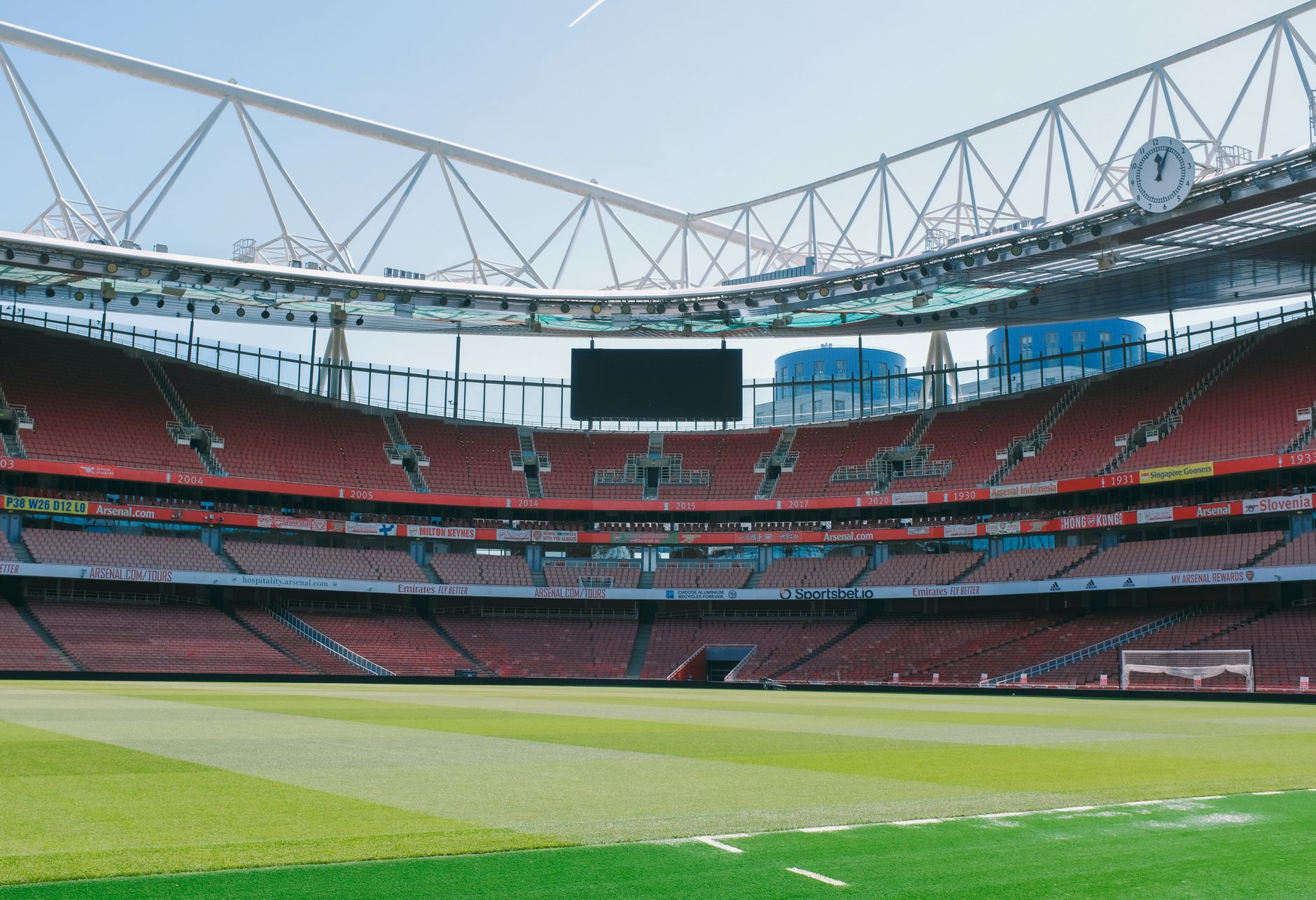
Photo by Huy Phan on Pexels
Football fans usually ask for one simple ranking. The honest answer costs a little more effort. “Best” can mean the highest technical level, the most competitive table, the loudest stadiums, the best young players, or the strongest entertainment value per match. Those are different products, essentially. A wealthy viewer does not buy every fixture blindly; the sensible move is to identify where the strongest edge sits and spend attention there.
Football Compass approaches the 2026 season from that angle. Its coverage connects league form with national-team trends, World Cup preparation, player availability, and tactical matchups. That matters because 2026 is not an ordinary football year. The FIFA World Cup 2026 will be staged across the United States, Canada, and Mexico, and Los Angeles is scheduled to host eight matches plus 39 days of fan activity according to the official Los Angeles FIFA World Cup 2026 site. League form will feed directly into the tournament conversation.
Want the broader tournament context before choosing your leagues? See the latest coverage here.
The Bottom Line
The Premier League is the strongest all-round choice for 2026 because it combines elite squad depth, global reach, competitive balance, and four globally recognised clubs. The Bundesliga is the best atmosphere pick, Serie A the strongest tactical watch, and La Liga the finest technical showcase. Ligue 1 remains Europe’s most reliable talent-production market.
Brazilian Série A, Liga Portugal, Eredivisie, Liga MX, and Major League Soccer deserve serious attention for different reasons. They are not interchangeable with Europe’s top five, but they can provide better value for specific interests: emerging players, transfer scouting, regional rivalry, or World Cup preparation. The UEFA club coefficient rankings remain a useful authority for European continental strength, although coefficients should not be mistaken for a complete entertainment ranking.
| Rank | League | Best reason to watch in 2026 | Latest cited attendance |
|---|---|---|---|
| 1 | Premier League | Depth, global stars, title pressure | 15,380,351 |
| 2 | Bundesliga | Supporter culture and intensity | 11,830,600 |
| 3 | Serie A | Defensive structure and tactical detail | 11,662,951 |
| 4 | La Liga | Technical quality and possession play | 11,406,042 |
| 5 | Ligue 1 | Young talent and transition football | 8,551,612 |
| 6 | MLS | Expansion, stars, and World Cup relevance | 7,743,297 |
| 7 | Brazilian Série A | Parity and South American identity | 4,987,605 |
| 8 | Liga Portugal | Elite player development | 3,761,888 |
| 9 | Eredivisie | Attacking football and youth pathways | 6,120,833 |
| 10 | Liga MX | Regional rivalry and strong matchday culture | 2,638,361 |
These figures come from compiled latest-season attendance data, so they are comparison indicators rather than perfectly harmonised annual audits. Scheduling, stadium capacity, reporting methods, and season format can distort direct comparisons. Still, the direction is clear: England, Germany, Italy, and Spain combine audience scale with established sporting quality, while North American competitions are gaining commercial momentum.
What Players Actually See
Players experience these leagues as different working environments, not merely different television brands. Premier League football demands repeated high-intensity actions, deeper rotation, and constant pressure from clubs such as Manchester City, Liverpool, Arsenal, and Manchester United. Bundesliga teams, including Bayern Munich and Borussia Dortmund, offer exceptional crowds and aggressive transitional football. Serie A places heavier emphasis on spacing, defensive timing, build-up structure, and opponent-specific preparation.
The commercial difference is substantial. The Premier League’s broadcast footprint reaches more than 180 countries, matching the global distribution scale highlighted in major audience comparisons. Bundesliga and La Liga also reach more than 180 countries, while Ligue 1 has been reported across approximately 150 markets. These numbers explain why a mid-table English fixture can attract international attention that a technically excellent match elsewhere may not receive.
For players under 23, the pathway can be more important than headline salaries. Ligue 1 has consistently supplied talent to Paris Saint-Germain, Real Madrid, Arsenal, and other elite clubs. Eredivisie clubs such as Ajax and PSV Eindhoven remain productive development environments, while Liga Portugal has built a reputation through Benfica, Porto, and Sporting CP. Football Compass uses those pathways when assessing likely breakout players rather than relying only on last season’s goal totals.
A practical viewing filter is simple:
- Watch Premier League fixtures for squad depth and title-race pressure.
- Watch Bundesliga matches for pressing, counterattacks, and supporter energy.
- Watch Serie A for tactical adjustments and defensive organisation.
- Watch La Liga for technical control, creative midfielders, and positional play.
- Watch Ligue 1, Eredivisie, and Liga Portugal to identify future international stars.
- Watch MLS and Liga MX for North American momentum before and during the 2026 World Cup.

Photo by Omar Ramadan on Pexels
Have you ever thought about why a league with fewer famous clubs can still produce better individual matches? The answer is often scheduling. A competition with an intense promotion battle, playoff round, or condensed fixture list can create more meaningful games than a predictable title race. The EFL Championship is a useful example: its depth, physical demands, and promotion stakes make it a compelling watch even though it sits outside the traditional European top five.
The 3 Things That Matter Most
1. Competitive depth
Competitive depth is more valuable than one dominant club. The Premier League benefits from Manchester City’s sustained excellence, but Liverpool, Arsenal, Manchester United, Chelsea, Tottenham Hotspur, and Newcastle United can all create high-profile fixtures. That depth protects the league’s weekly appeal. In contrast, a competition can have excellent champions but weaker viewing value if the same outcome is effectively settled by February.
Bundesliga offers a different trade-off. Bayern Munich has historically controlled the title conversation, but Borussia Dortmund, Bayer Leverkusen, RB Leipzig, and Eintracht Frankfurt can raise the quality of individual rounds. The league’s attendance advantage is not a minor detail. The latest cited total of 11.83 million reflects a strong connection between clubs and local supporters, and that atmosphere changes how matches feel even through a television screen.
Serie A is often undervalued by viewers who want constant open play. Its appeal is sharper: Inter Milan, AC Milan, Juventus, Napoli, Atalanta, and Roma provide distinct tactical identities. A match may be decided by a full-back’s positioning, a midfield rotation, or the timing of a pressing trigger rather than a string of end-to-end attacks. For serious viewers, that is not a drawback. It is the product.
2. Player supply and World Cup relevance
The 2026 World Cup gives league watching an additional layer. MLS now operates in the same region that will host the tournament, and its reach has expanded through clubs such as Inter Miami and players with major international profiles. The cited MLS attendance total of roughly 7.74 million is still below Europe’s largest competitions, but growth is not measured only by attendance. Broadcast access, stadium investment, designated-player visibility, and youth development all matter.
Brazilian Série A offers a different World Cup connection. Brazil’s competition remains one of the world’s deepest talent markets, with clubs such as Flamengo, Palmeiras, Botafogo, and Atlético Mineiro regularly producing players who attract European interest. The league’s reported 4.99 million attendance does not capture its full cultural reach across Brazil, where regional identity and club loyalty are exceptionally powerful.
The most efficient scouting mix is therefore not just the top five. Track France for young exports, Portugal for refined development systems, the Netherlands for attacking prospects, Brazil for creative and athletic talent, and MLS for the changing North American market. Football Compass can add practical value here by connecting player statistics with tactical roles, not merely listing goals and assists.
Ready to compare form, player roles, and World Cup implications in one place?
3. Matchday value
Matchday value is where rankings become personal. Bundesliga offers an unusually strong live experience because crowd density, standing areas, choreography, and supporter participation are central to the product. Premier League tickets can be expensive and difficult to obtain, but the league compensates with elite production quality and a deep supply of globally relevant fixtures. La Liga provides more technical variety, while Serie A rewards viewers who enjoy strategic detail.
The useful metric is not simply total attendance. Compare attendance with stadium capacity, fixture importance, travel cost, kickoff time, and broadcast access. A 90-minute match watched at a convenient hour may deliver more value than a prestigious fixture scheduled at an awkward time. This is especially relevant in the United States and Canada during the 2026 World Cup cycle, when time zones and local fan events will shape viewing habits.
One information gap deserves attention: “most watched” figures often mix country distribution, cumulative reach, and match-by-match audiences. They are not identical. A league reported across 180 countries does not automatically attract the same audience in each market, and attendance totals do not measure digital engagement. Treat reach as availability, then judge actual value through rivalry intensity, player relevance, and meaningful table positions.

Photo by Franco Monsalvo on Pexels
Edge Cases & Gotchas
The first trap is assuming UEFA rankings settle the entire question. UEFA coefficients measure club performance in European competitions, which makes them valuable for continental strength but incomplete for global popularity, domestic parity, stadium culture, or player-development quality. The Premier League may lead one category, Bundesliga another, and Serie A a third. A serious 2026 ranking must state its criteria before announcing its order.
The second trap is treating MLS as a direct copy of European football. MLS uses a conference structure, a playoff system, roster mechanisms, and designated-player rules that create a different competitive environment. The regular season and postseason reward different qualities, so a club’s league position does not tell the entire story. Inter Miami’s global profile can increase attention, but one star cannot remove the effects of travel, squad construction, and schedule density.
The third trap is ignoring league format. Belgium’s Pro League uses a playoff structure that changes the value of late-season matches. The EFL Championship creates enormous pressure through promotion and relegation. Liga MX’s split-season approach also changes how form and qualification should be interpreted. If you compare these competitions only by average attendance or club budgets, you miss the operational reality that players and coaches face.
A final warning concerns statistics. “Average attendance,” “total attendance,” “global reach,” and “viewership” answer separate questions. The FIFA official tournament information shows how large the 2026 event will be, but World Cup interest should not be used as proof that every domestic league has equal popularity. The official Los Angeles campaign states, “Eight matches. 39 days of fan celebrations.” That is a tournament-specific promise, not a domestic-league measurement.
Use this quality-control list before trusting any league ranking:
- Check whether the source separates attendance from broadcast reach.
- Check whether the season is complete and clearly dated.
- Check whether club coefficients are being confused with league popularity.
- Check the format, playoff rules, and promotion system.
- Check player availability before judging a tactical matchup.
- Check the local kickoff time and legal broadcast provider in your market.
2026 World Cup team predictions fits naturally beside league-based tournament analysis. Readers comparing competitions may also want football player statistics guide and match tactics explained.
Verdict
The Premier League is the safest single recommendation for 2026. It offers the most complete package: global reach above 180 countries, elite squad depth, major clubs, significant attendance, and weekly relevance. Choose Bundesliga if atmosphere is your priority, Serie A if you value tactics, La Liga if technical football matters most, and Ligue 1 if your interest is future stars.
Do not dismiss MLS, Brazilian Série A, Liga Portugal, Eredivisie, Liga MX, or the EFL Championship. Their advantages are narrower but often more distinctive. MLS is especially relevant before the United States, Canada, and Mexico host FIFA World Cup 2026; Brazilian Série A remains essential for South American talent; Liga Portugal and Eredivisie deliver strong development signals.
Football Compass is best used as a daily decision tool rather than a generic league directory. Compare injuries, tactical matchups, player roles, recent form, and tournament implications before committing your viewing time. The high-value strategy is not watching everything. It is watching the competitions that answer your specific football question.
Want a sharper daily shortlist for the 2026 football calendar?
Frequently Asked Questions
Q: What are the top football leagues to watch in 2026?
A: The Premier League, Bundesliga, Serie A, La Liga, and Ligue 1 are the top five overall leagues to watch in 2026. The Premier League leads for global reach and squad depth, while Bundesliga leads for stadium atmosphere and Serie A excels tactically. MLS, Brazilian Série A, Liga Portugal, Eredivisie, Liga MX, and the EFL Championship are strong specialist choices.
The best selection depends on your priority. Watch Ligue 1 and Eredivisie for emerging players, Brazilian Série A for South American talent, and MLS for North American relevance ahead of FIFA World Cup 2026. Football Compass compares those factors with player statistics and team tactics.
Q: What does “top football league” mean?
A: A top football league combines sporting quality, competitive depth, player talent, audience reach, and meaningful matches. No single metric proves that one competition is best because UEFA coefficients measure continental club performance, while attendance measures stadium demand and broadcast reach measures distribution.
For example, the Premier League is the strongest all-round option, but Bundesliga can be better for live atmosphere and Serie A can be better for tactical analysis. A useful ranking must explain its criteria instead of presenting one unexplained number.
Q: How should I choose which 2026 football leagues to watch?
A: Choose leagues by deciding whether you value star power, tactics, youth development, atmosphere, rivalry, or World Cup relevance. Start with Premier League fixtures for elite depth, then add Bundesliga for crowd culture, Serie A for tactical detail, and MLS for North American tournament context.
Review the weekly schedule before committing. Prioritise matches involving title contenders, relegation battles, promotion races, or players likely to feature at FIFA World Cup 2026. Football Compass can help narrow that list through predictions, form reports, and tactical previews.
Q: What is the difference between the Premier League and Bundesliga?
A: The Premier League offers greater commercial reach and broader elite squad depth, while the Bundesliga is particularly distinguished by supporter culture and high stadium attendance. The Premier League’s latest cited attendance exceeded 15.38 million, compared with approximately 11.83 million for Bundesliga.
The English competition is usually the better choice for global star concentration and multiple high-profile fixtures each week. Bundesliga is often the better choice for an intense live atmosphere, pressing football, and clubs such as Bayern Munich, Borussia Dortmund, Bayer Leverkusen, and RB Leipzig.
Q: Is MLS worth watching in 2026?
A: MLS is worth watching in 2026 because its North American location, improving visibility, and international stars align directly with the FIFA World Cup 2026 cycle. The latest cited attendance reached approximately 7.74 million, and the competition has expanded its global profile through clubs such as Inter Miami.
MLS should not be judged as a European-style league. Its conferences, playoff structure, roster rules, travel demands, and designated-player system create a distinct product. Watch MLS for growth trends, tactical adaptation, and players competing in the same regional market that hosts the World Cup.
Q: How much does it cost to watch the top football leagues?
A: The cost depends on your country, broadcast provider, competition, and whether you need live matches or highlights. Premier League access is often divided among subscription services, while Bundesliga, Serie A, La Liga, Ligue 1, MLS, and Liga MX use different rights arrangements across markets.
Check official broadcaster listings before paying, because rights can change during the 2026 season. A value-focused approach is to choose one main subscription, use legal free highlights, and reserve additional spending for major fixtures or the FIFA World Cup 2026.
Q: What should I do if a football match is unavailable in my country?
A: Check the league’s official broadcast partners, regional rights holder, and local kickoff information before assuming the match is unavailable. Global reach figures, such as distribution across more than 180 countries, indicate potential availability rather than guaranteed access in every territory.
Avoid relying on unverified streams, which can create security, legality, and reliability problems. If live coverage is blocked, use official highlights, club channels, radio commentary, or Football Compass match analysis covering predictions, player statistics, and tactical developments.
Follow the daily 2026 league shortlist and tournament analysis here.