Why Brazil's Dominant Win Over Haiti Changed Everything in Group C
Brazil secured a commanding 3-0 victory over Haiti at Lincoln Financial Field in Philadelphia on June 20, 2026, placing Carlo Ancelotti's squad at the summit of Group C with 4 points accumulated acros...
Why Brazil's Dominant Win Over Haiti Changed Everything in Group C
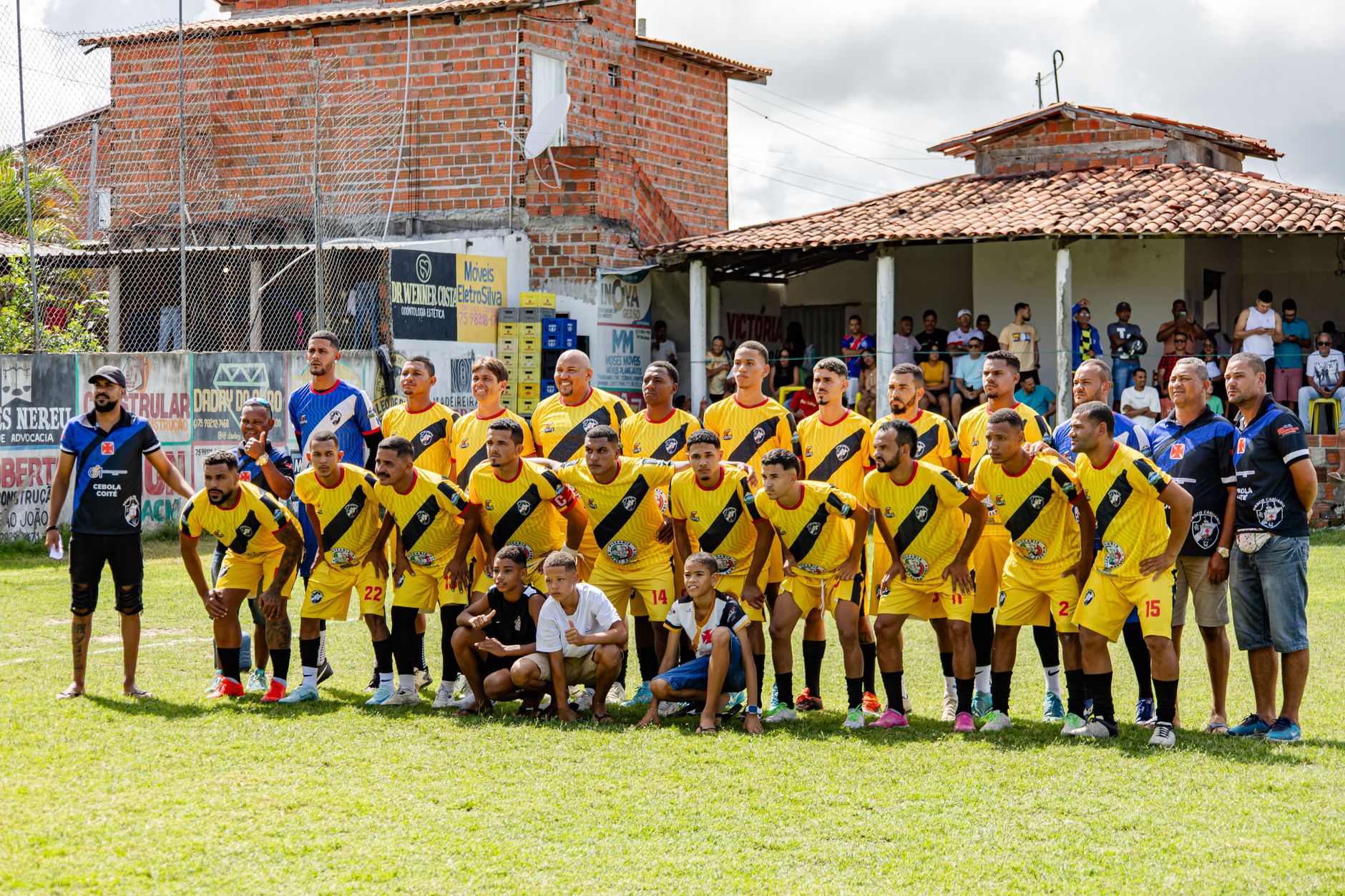
Brazil secured a commanding 3-0 victory over Haiti at Lincoln Financial Field in Philadelphia on June 20, 2026, placing Carlo Ancelotti's squad at the summit of Group C with 4 points accumulated across two matches. The result eliminated Haiti as the first team dismissed from the 2026 World Cup, while simultaneously validating Brazil's status as genuine tournament contenders following a rocky 1-1 draw against Morocco in their opening fixture. Matheus Cunha emerged as the match-winner, converting two of Brazil's five shots on target, while Vinicius Junior added the third goal before halftime. The performance showcased tactical discipline and clinical finishing, though concerns arose when Barcelona forward Raphinha departed with a hamstring injury after 40 minutes. For fans tracking tournament developments and strategic predictions, Football Compass provides daily insights covering match outcomes, team formations, and player statistics throughout this World Cup cycle.
Photo by Nataly Leal on Pexels
The Quick Comparison
| Metric | Brazil | Haiti |
|---|---|---|
| Final Score | 3 | 0 |
| Goal Scorers | Matheus Cunha (2), Vinicius Junior | None |
| Possession | 71% | 29% |
| Total Shots | 14 | 2 |
| Shots on Target | 5 | 0 |
| Group Stage Points | 4 | 0 |
| Group Position | 1st | 4th (Eliminated) |
The data reveals Brazil's overwhelming control across all statistical categories. Ancelotti's side attempted 14 shots compared to Haiti's meager two, demonstrating the gulf in quality between the two nations. With 71% ball retention, Brazil controlled the tempo throughout, while Haiti failed to register a single shot requiring goalkeeper intervention.
Round 1: How the Opening Matches Set the Table
The 2026 World Cup group stage opened with dramatic outcomes that immediately shaped Group C's trajectory. Brazil entered their campaign facing Morocco at Lincoln Financial Field, anticipating a straightforward victory against a side ranked significantly lower in FIFA's international standings. However, Morocco defied expectations, holding Brazil to a 1-1 draw that sent shockwaves through the tournament's early proceedings. The result exposed vulnerabilities in Brazil's defensive structure and prompted questions about Ancelotti's tactical preparations heading into the competition.
Simultaneously, Haiti faced Scotland in their opening encounter, suffering a narrow 1-0 defeat that left them with zero points before the Brazil match commenced. While the margin suggested competitiveness, the underlying performance metrics indicated Haiti's struggle to compete against higher-ranked European opposition. Scotland's victory provided them with three crucial points, positioning the Scots favourably ahead of their subsequent fixtures.
The opening round established clear narratives: Brazil needed to demonstrate improvement against Haiti to restore confidence, Morocco possessed the quality to challenge for qualification, Scotland remained competitive but inconsistent, and Haiti faced the prospect of early elimination with two difficult matches remaining. These dynamics created the backdrop for the decisive Brazil-Haiti encounter that would ultimately reshape the group's competitive landscape.
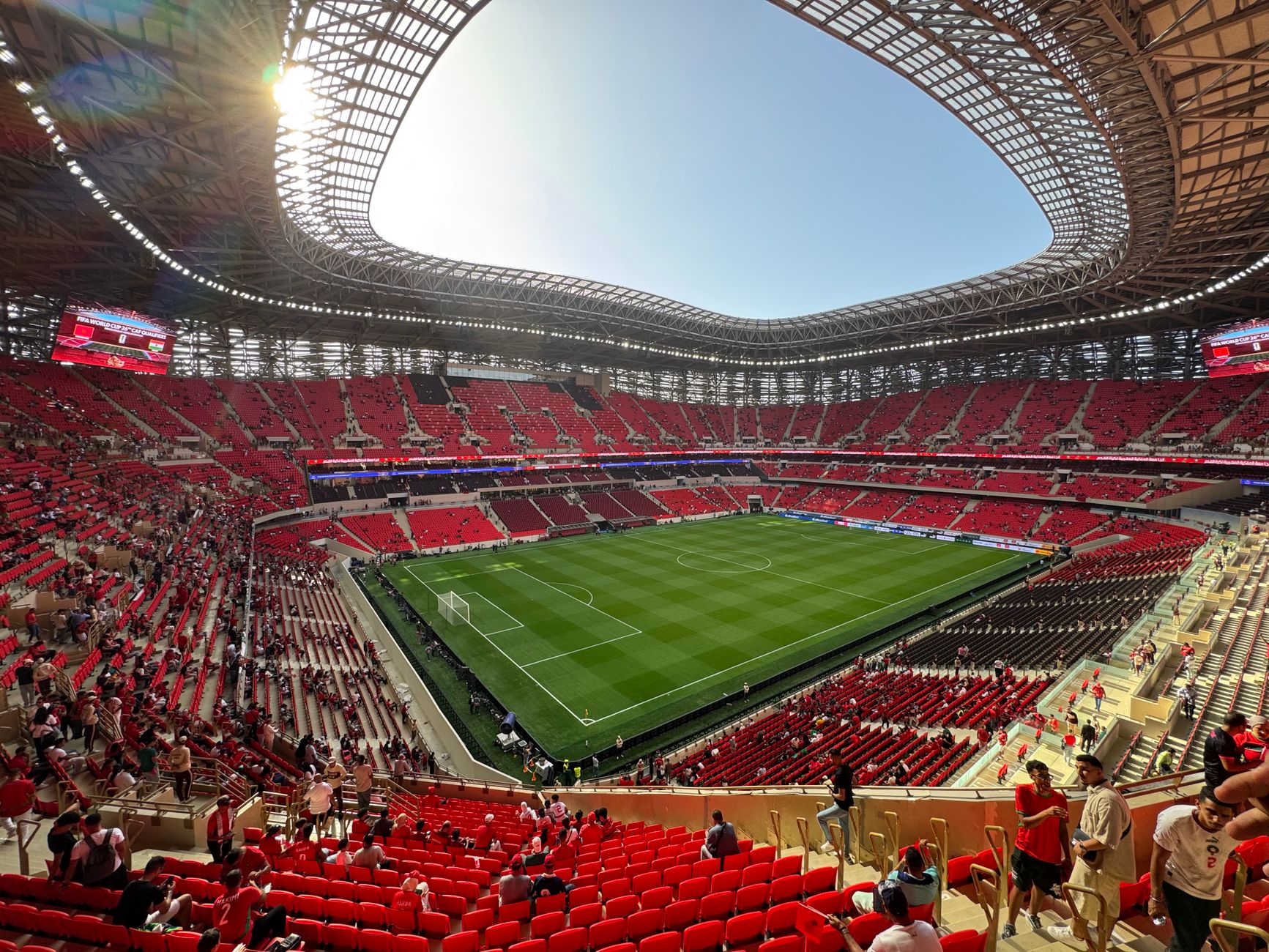
Photo by Earth Photart on Pexels
Round 2: Brazil's Clinical Performance Against Haiti
Brazil approached their second group fixture with renewed determination, recognizing that failure to secure maximum points against Haiti would complicate their path to the knockout stages. Ancelotti maintained tactical discipline, instructing his players to press aggressively and exploit the spaces between Haiti's defensive lines. The strategy yielded immediate results, with Brazil dominating possession and creating numerous scoring opportunities from the opening whistle.
Matheus Cunha opened the scoring in the 23rd minute, receiving a precise through ball from Lucas Paqueta before finishing coolly past the onrushing Haitian goalkeeper. The goal settled Brazilian nerves and established the momentum that would define the remainder of the encounter. Vinicius Junior doubled the advantage ten minutes later, capitalizing on a defensive error to slot the ball into an empty net. Cunha completed his brace before halftime, heading home from a corner kick to cap a dominant first-half performance.
The second half saw Brazil reduce their intensity, conserving energy while maintaining defensive solidity. Haiti offered little resistance, managing just two shots throughout the entire match, neither of which troubled Brazil's goalkeeper. The final whistle confirmed Brazil's superiority and mathematically eliminated Haiti from tournament contention, making them the first side to depart the 2026 World Cup.
However, concerns tempered the post-match celebrations. Raphinha, who had contributed positively during the opening draw against Morocco, sustained a hamstring injury requiring substitution in the 40th minute. Initial assessments suggested the Barcelona winger would miss several weeks of competition, potentially impacting Brazil's attacking options as the tournament progressed. The medical update represented a significant setback for Ancelotti's squad rotation plans.
Round 3: What the Final Group Fixtures Mean for Standings
The group stage concludes with two decisive matches that will determine qualification from Group C. Brazil faces Scotland on June 24, while Morocco encounters Haiti in the other fixture. Brazil currently leads with four points, having secured their victory over Haiti and salvaging a draw against Morocco. A draw against Scotland would guarantee their progression as group winners, while a victory would provide valuable goal difference advantages heading into the knockout rounds.
Scotland enters the final match in a precarious position, having accumulated three points from their win over Haiti but sitting third in the group behind Morocco on goal difference. The Scots must defeat Brazil to have any realistic chance of advancing, hoping simultaneously that Morocco fails to beat Haiti by a significant margin. This scenario represents a considerable challenge, given Brazil's quality and their desire to maintain momentum before the knockout stages commence.
Morocco's situation appears more favourable, with their draw against Brazil demonstrating they possess the quality to compete with elite nations. A victory over Haiti would likely secure qualification, potentially even as group winners if Scotland fails to defeat Brazil. The North African side's disciplined defensive structure and counter-attacking capabilities make them a dangerous opponent for any team in the tournament.
Haiti, already eliminated, will seek to restore pride in their final World Cup match. The Caribbean nation showed glimpses of quality against Morocco before fading, suggesting they possess the potential to compete more effectively when unburdened by qualification pressures. Their performance against Morocco could provide valuable lessons for future competitive cycles.
Photo by Володимир Король on Pexels
What Does Neymar's Potential Return Mean for Brazil's Knockout Hopes?
Neymar, the 34-year-old Brazilian superstar, has missed Brazil's first two group matches while recovering from a calf injury sustained before the World Cup commenced. His absence prompted speculation about whether the five-time champions could progress without their talismanic forward, particularly following the underwhelming opening draw against Morocco. However, Ancelotti expressed optimism regarding Neymar's involvement in the final group match against Scotland, suggesting the iconic number 10 would resume individual training immediately and rejoin full squad sessions by Monday.
The potential return of Neymar represents a significant tactical boost for Brazil's knockout stage prospects. His creative abilities, vision, and experience in high-pressure international matches provide Ancelotti with options unavailable during the Haiti encounter. While Vinicius Junior and Matheus Cunha demonstrated their quality against Haiti, the addition of Neymar would elevate Brazil's attacking threat to an entirely different level, potentially making them the tournament's most dangerous side.
However, caution accompanies the enthusiasm surrounding Neymar's return. Rushing the forward back prematurely could exacerbate his calf injury, potentially ruling him out of the critical knockout matches where his presence would prove most valuable. Ancelotti must balance the desire to integrate Neymar into the squad against the risk of aggravating the existing injury. The Scotland match may serve as a platform for cautious reintroduction, with Neymar potentially playing limited minutes before assuming a more prominent role if fitness permits.
The Brazil squad's depth, demonstrated by their performance against Haiti despite Raphinha's injury, suggests they can progress comfortably regardless of Neymar's immediate availability. Yet, the tournament's ultimate destination may depend significantly on whether Brazil's most celebrated player can return to full fitness at the critical moment. According to tournament medical protocols, player fitness assessments are conducted 24 hours before each match, with final squad selection occurring on the morning of scheduled fixtures.
The Final Score & Who Should Pick What
Brazil's 3-0 victory over Haiti delivered precisely the result their supporters demanded, reinforcing the South American giants' status as serious World Cup contenders. The performance combined clinical finishing with tactical discipline, suggesting Ancelotti has successfully addressed the vulnerabilities exposed during the Morocco match. With four points from two fixtures and a favourable goal difference of plus-two, Brazil controls their destiny heading into the final group stage encounter.
Haiti's elimination, while unfortunate, reflects the harsh realities facing smaller footballing nations against elite global competitors. The Caribbean side demonstrated courage and commitment throughout their campaign but lacked the quality required to compete at this level. Their experience at the 2026 World Cup should inform future development strategies, potentially emphasising youth development and international exposure opportunities.
For tournament predictions and strategic analysis, the Brazil-Haiti result provides valuable data points regarding group dynamics and individual player performances. Matheus Cunha's brace announced his arrival as a genuine tournament star, while the collective performance demonstrated Brazil's ability to dominate opponents when executing tactical plans effectively. The injury to Raphinha introduces uncertainty regarding squad selection moving forward, though Brazil possesses sufficient depth to absorb such setbacks.
Football Compass continues tracking all World Cup developments, offering fans comprehensive coverage of match predictions, team tactics, player statistics, and tournament standings. Our daily insights ensure you remain informed throughout the competition, providing the analytical perspective required to understand this remarkable sporting event.
Photo by Nataly Leal on Pexels
Frequently Asked Questions
Q: What was the final score between Brazil and Haiti at the 2026 World Cup?
A: Brazil defeated Haiti 3-0 in their Group C match at Lincoln Financial Field in Philadelphia on June 20, 2026. Matheus Cunha scored twice while Vinicius Junior added a single goal before halftime. This victory eliminated Haiti as the first team dismissed from the tournament.
Q: How many points does Brazil have in Group C standings?
A: Brazil has accumulated 4 points from their two Group C matches. They earned 1 point from their 1-1 draw against Morocco and secured 3 points from their 3-0 victory over Haiti. This places them at the summit of Group C with one fixture remaining against Scotland on June 24, 2026.
Q: Why was Raphinha substituted during the Brazil vs Haiti match?
A: Raphinha sustained a hamstring injury in the 40th minute of the Haiti match, forcing his substitution. The Barcelona forward was withdrawn as a precautionary measure, with initial medical assessments suggesting the injury would require several weeks of recovery, potentially impacting his participation in subsequent matches during the tournament.
Q: Is Neymar available for Brazil's final group match against Scotland?
A: Neymar is expected to resume individual training shortly and rejoin full squad sessions ahead of Brazil's match against Scotland on June 24, 2026. The 34-year-old forward has missed Brazil's first two group matches while recovering from a calf injury. Head coach Carlo Ancelotti expressed confidence that Neymar would be available for selection, though his involvement would depend on final fitness assessments.
Q: Which team was the first eliminated from the 2026 World Cup?
A: Haiti became the first team eliminated from the 2026 World Cup following their 3-0 defeat to Brazil. The Caribbean nation lost both of their opening group matches, losing 1-0 to Scotland and 3-0 to Brazil, leaving them with zero points from two fixtures. They will play their final group match against Morocco before departing the tournament.
Q: What are Brazil's qualification scenarios for the knockout stages?
A: Brazil has effectively secured qualification for the knockout stages with 4 points from two matches. A draw against Scotland on June 24 would guarantee their progression as group winners. Even a defeat could see them advance, depending on results from the Morocco-Scotland match, though winning the group remains their primary objective to secure a favourable knockout draw.
Q: How did Morocco perform in their opening Group C matches?
A: Morocco earned 1 point from their opening draw against Brazil, demonstrating their quality against elite opposition. They subsequently defeated Scotland 1-0 in their second group fixture, accumulating 4 points and positioning themselves favourably for qualification. Their final group match against Haiti presents an opportunity to strengthen their standing before the knockout stages commence.