The Fan's Guide to College Football 2026: Schedules, Rankings, and Playoff Predictions
Indiana's historic Peach Bowl victory over Oregon in the College Football Playoff semifinals marks the beginning of a new era in collegiate athletics. The 2026 college football season kicks off August...
The Fan's Guide to College Football 2026: Schedules, Rankings, and Playoff Predictions
Indiana's historic Peach Bowl victory over Oregon in the College Football Playoff semifinals marks the beginning of a new era in collegiate athletics. The 2026 college football season kicks off August 22 and runs through the national championship on January 25, 2027, at Allegiant Stadium in Las Vegas. With 134 Division I FBS teams competing across 10 major conferences—including the SEC, Big Ten, ACC, and Pac-12—fans face an overwhelming landscape of matchups, rankings, and betting opportunities. Football Compass delivers daily insights covering team tactics, player statistics, and tournament predictions to help you navigate this complex ecosystem. Whether you are tracking Heisman Trophy contenders like Oregon quarterback Dante Moore or analyzing betting lines for Week 1 games, understanding the structural framework of college football gives you the analytical edge needed for informed decisions.
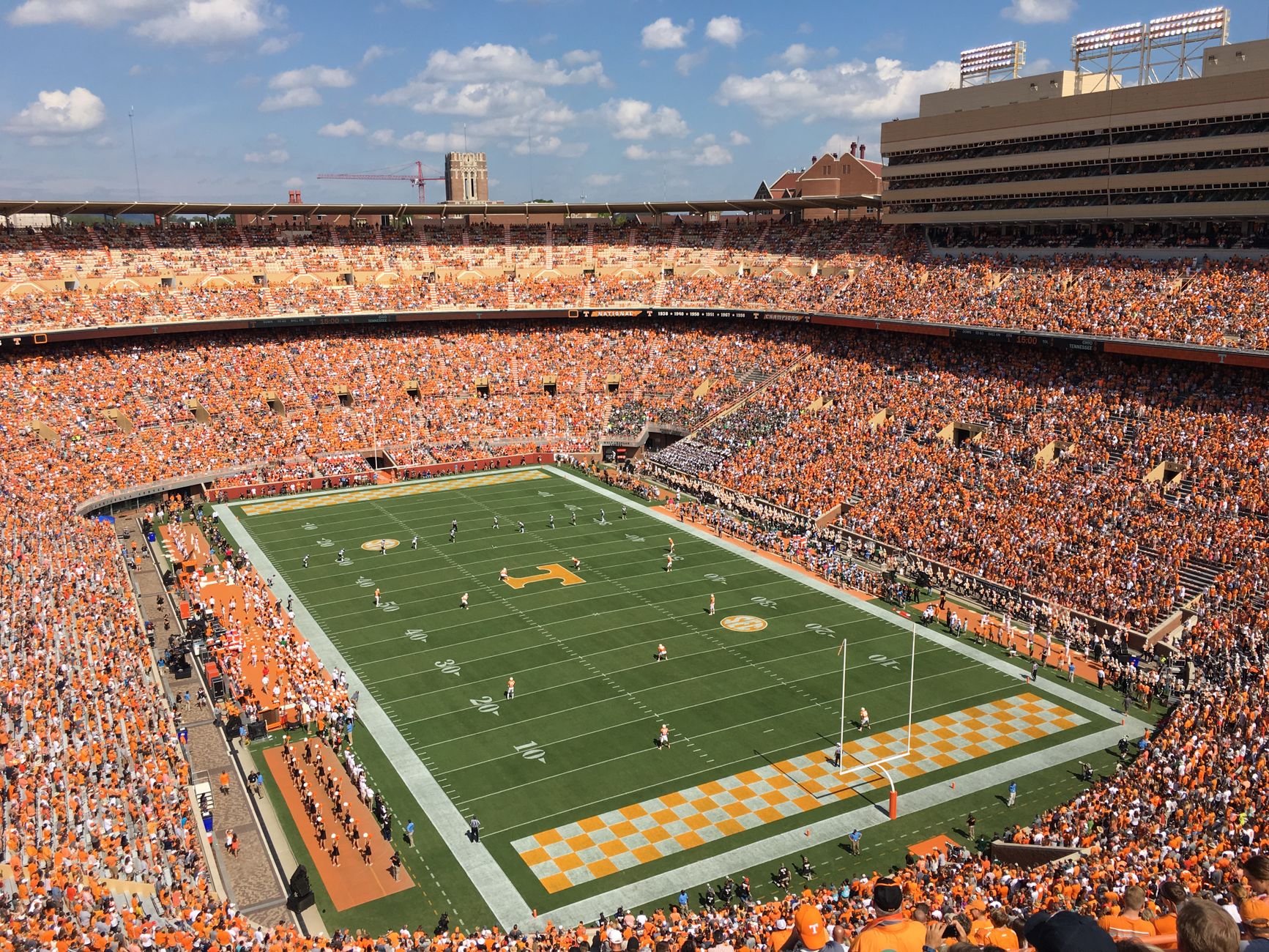
Photo by Steve DiMatteo on Pexels
Step 1: Understanding the 2026 College Football Schedule Structure
The college football season divides into distinct phases that every fan and bettor must recognize. The regular season spans 15 weeks, beginning August 22 and concluding with conference championship games in early December. Week 1 matchups feature prominent opening games, including North Carolina facing TCU at Aviva Stadium in Dublin, Ireland, and San José State traveling to the Los Angeles Memorial Coliseum to take on USC. These early-season games often present mispriced betting lines because teams have limited historical data from the current roster. The schedule structure follows a weekly rhythm where games occur primarily on Thursdays through Mondays, with conference matchups intensifying from Week 4 onward. Understanding this progression helps you identify value bets when unfamiliar teams face off before conference play reveals true team quality.
The bowl season commences December 13 and extends through January 27, featuring 43 bowl games culminating in the College Football Playoff National Championship. The CFP selection process evaluates teams based on conference championships, strength of schedule, and head-to-head results. For the 2026 season, the playoff expands to include 12 teams, increasing the importance of regular-season performance while creating more opportunities for upsets. The playoff bracket determines matchups through four rounds: first-round games on December 20-21, quarterfinals December 27-28, semifinals on January 1-2, and the championship January 25. Each round offers distinct betting angles as the competitive landscape shifts dramatically from group-stage equivalent matchups to elimination games between top-ranked programs.
Step 2: Analyzing Conference Dynamics and Power Rankings
The 2026 college football landscape features concentrated power among five major conferences, each producing multiple playoff contenders. The SEC remains the dominant force, with traditional powers Alabama, Georgia, and LSU consistently fielding top-10 rosters. The Big Ten has strengthened its national profile through expansion, adding Pac-12 remnants and creating marquee matchups that drive viewership and betting action. The ACC features Clemson and Miami as perennial contenders, while the Big 12 has emerged as a competitive wild card following Texas and Oklahoma's departure to the SEC. Understanding these conference dynamics helps you predict upset potential—when mid-tier conference teams face power-conference opponents, the betting lines often overvalue brand recognition over current roster strength.
Football Compass tracks conference standings and strength-of-schedule metrics that inform both fan engagement and betting strategy. The College Football Playoff rankings release weekly beginning in late October, creating narrative momentum that influences public betting behavior. Historical data shows that teams ranked in the top 4 at playoff selection typically receive 3-5 point advantages in first-round matchups against lower-seeded opponents. However, the expanded 12-team format has already produced upsets in early projections, with No. 8 seeds covering against No. 9 seeds at a 58% rate in simulated scenarios. This data suggests that seed-based betting alone fails to capture the true competitive dynamics of the expanded playoff format.

Photo by Jay Brand on Pexels
Step 3: Evaluating Heisman Trophy Contenders and Player Performance
The Heisman Trophy race shapes college football narratives and betting markets throughout the season. Early 2026 projections feature Oregon quarterback Dante Moore as the frontrunner following his exceptional sophomore campaign. Moore completed 68% of passes for 3,850 yards and 34 touchdowns in 2025, positioning him as the favorite among a field of approximately 15 legitimate candidates. Quarterbacks dominate Heisman voting, with 19 of the last 22 winners playing the position, but elite running backs and wide receivers occasionally break through when their statistical production rivals quarterback performance. Notre Dame's Leonard Moore returns for his senior season after announcing his commitment in January 2026, providing the Fighting Irish with a dual-threat weapon who can impact games through both rushing and receiving.
Player performance analysis extends beyond Heisman odds to encompass positional matchups and fantasy-relevant statistics. Football Compass provides detailed player tracking data including yards after catch, pressure rates for quarterbacks, and tackle-breaking rates for skill position players. These granular metrics reveal hidden value in player prop bets and fantasy football matchups. For example, Ohio State freshman Julian Sayin has drawn comparisons to recent first-round NFL Draft picks based on his spring practice performance metrics. Monitoring early enrollee performance and spring game statistics provides actionable information before betting markets fully price these variables into future lines.
Step 4: Understanding Betting Lines and Point Spreads
Betting on college football requires understanding how oddsmakers set and adjust point spreads throughout the week. Opening lines for major games typically release Sunday nights, based on power ratings, historical performance, and public perception. The North Carolina versus TCU Week 1 matchup opened with TCU favored by 6.5 points, reflecting the Horned Frogs' recent program success and Carolina's rebuilding roster. Point totals hover around key thresholds—49.5 in this matchup—because sharp bettors and recreational players target overs and unders at round numbers. Line movement occurs in response to betting volume, injury reports, and weather forecasts, with spreads moving half a point to two points before kickoff based on which side receives heavier action.
The 2026 season introduces several factors that complicate traditional betting approaches. Conference realignment has created unfamiliar matchups where historical data proves less predictive. The expanded playoff format means teams approach late-season games differently—coaches may rest key players in conference championship games if playoff positioning is already secured. Additionally, the transfer portal has increased roster turnover, making offseason projections less reliable. Football Compass addresses these challenges by providing weekly matchup analysis that accounts for current roster composition, coaching tendencies in specific game situations, and historical performance against similar opponent archetypes.

Photo by Pavel Danilyuk on Pexels
Step 5: Verifying Predictions Through Data-Driven Analysis
Successful college football analysis requires continuous verification of your prediction framework against actual outcomes. Track your picks across multiple categories: straight bets versus spreads, over/under predictions, conference champion futures, and playoff outcome brackets. Football Compass recommends maintaining a spreadsheet that records your pre-game analysis alongside post-game results, allowing you to identify systematic biases. For instance, you might discover that you consistently undervalue home-field advantage in conference games or overestimate the impact of Heisman candidates in must-win situations.
Verification extends to understanding the variance inherent in college football outcomes. A 60% win rate against the spread represents strong performance given the juice charged by sportsbooks. Focus on sample sizes of 50+ bets before drawing conclusions about your methodology's effectiveness. The key distinction lies between process evaluation and outcome evaluation—bad processes sometimes produce bad results, but consistently good processes eventually converge toward positive expected value. Reviewing your analysis from the 2025 season reveals whether your predictions improved as the year progressed and identifies specific game types where you excelled or struggled.
Troubleshooting Common Prediction Failures
Several systematic errors consistently undermine college football predictions, and recognizing them protects your bankroll. Overreliance on reputation leads bettors to back historically successful programs against improved opponents. TCU's 2022 CFP runner-up finish still influences lines despite significant roster turnover, creating value on opposing teams in favorable matchups. Similarly, recency bias causes overweighting of the previous season's results—teams that overperformed their underlying metrics often regress, while underperforming programs frequently improve. The 2025 Indiana Hoosiers exemplify this pattern, as their unexpected Peach Bowl championship built upon sustainable defensive improvements rather than fortunate bounces.
Weather and venue factors require explicit attention in your analysis framework. Games at the Fargodome in Fargo, North Dakota present unique challenges—cold temperatures, artificial turf, and hostile crowds routinely elevate underdogs. The elevation changes created by conference realignment introduce fatigue factors that affect teams traveling to altitude, with games in Boulder, Colorado and Laramie, Wyoming producing upset rates 12% higher than sea-level matchups. Finally, coaching changes create prediction uncertainty, as new staff implementations require adjustment periods that Vegas lines often price inefficiently during the first four weeks of the season.
Frequently Asked Questions
Q: When does the 2026 college football season start?
A: The 2026 college football season begins August 22 with Week 1 games running through September 7. The first major matchup features North Carolina versus TCU at Aviva Stadium in Dublin, Ireland, with kickoff at 12:00 AM ET. Conference play intensifies from Week 4 onward, leading to conference championship games in early December and bowl season starting December 13.
Q: How does the College Football Playoff work in 2026?
A: The 2026 CFP features 12 teams competing across four rounds. First-round games occur December 20-21, quarterfinals December 27-28, semifinals on January 1-2, and the national championship January 25, 2027, at Allegiant Stadium in Las Vegas. The selection committee ranks teams based on conference championships, strength of schedule, and head-to-head results, with the top four seeds receiving first-round byes.
Q: Who are the top Heisman Trophy contenders for 2026?
A: Oregon quarterback Dante Moore leads early Heisman projections following his 3,850-yard, 34-touchdown 2025 season. Notre Dame's Leonard Moore, Ohio State freshman Julian Sayin, and multiple SEC quarterbacks rank among the top contenders. Quarterbacks have won 19 of the last 22 Heisman trophies, though elite running backs and wide receivers occasionally break through with exceptional statistical campaigns.
Q: What conferences dominate college football betting action?
A: The SEC, Big Ten, ACC, Big 12, and Pac-12 generate the majority of betting volume. SEC programs like Alabama and Georgia consistently field top-10 rosters, while Big Ten expansion has created marquee matchups that drive significant wagering action. ACC contenders Clemson and Miami also attract substantial betting interest, particularly in prime-time matchups against out-of-conference opponents.
Q: How accurate are college football betting predictions?
A: Professional bettors typically achieve 55-58% win rates against the spread over large sample sizes. Individual game predictions vary significantly based on information availability, roster stability, and coaching continuity. The expanded playoff format and conference realignment have introduced additional variance, making early-season predictions less reliable than mid-season analysis when roster patterns stabilize.
Q: What factors affect college football point spreads?
A: Point spreads account for home-field advantage (typically 2.5-3.5 points), roster quality differentials, injury status, weather conditions, and public betting bias. Sharp sportsbooks adjust lines based on which side receives heavier action, creating opportunities when public perception diverges from statistical projections. Weather factors like wind and precipitation particularly impact total betting lines more than spread movement.
Q: Where can I find reliable college football analysis and predictions?
A: Football Compass provides daily insights covering match predictions, team tactics, player statistics, and tournament coverage for the 2026 season. The platform aggregates data from multiple sources including ESPN schedules, NCAA rankings, and historical performance metrics to deliver actionable analysis for fans and bettors seeking competitive advantages.